0%

Ocean Freight Forwarding remains a practical choice for businesses moving large volumes across international markets. It connects manufacturers, suppliers, ports, customs teams, and final destinations through one coordinated process. A full container can carry thousands of cartons, machinery parts, or packaged goods at a lower cost per unit than many airfreight options. The journey may take weeks. That slower pace requires careful planning.

Experienced freight forwarders compare carrier schedules, port performance, container availability, and routing risks before booking cargo. They also help prepare commercial invoices, packing lists, bills of lading, and other required shipping documents. Accurate paperwork matters. One missing detail can delay cargo at a busy terminal. Reliable providers explain responsibilities clearly and communicate when schedules change.

Ocean Freight Forwarding can also support greener logistics decisions. Ships generally produce fewer emissions per unit than aircraft, especially when cargo is consolidated efficiently. However, sustainability claims should be measured, not assumed. Fuel type, vessel age, route length, port congestion, and container utilization all affect the final impact. Some estimates remain imperfect.

The strongest forwarding partnerships are built on experience, transparency, and practical judgment. A capable provider does more than secure ocean space. It tracks milestones, checks documentation, coordinates inland transport, and helps businesses respond to disruption. Shippers should still review service terms, insurance coverage, delivery timelines, and destination requirements. No shipping method removes every risk. Careful decisions reduce surprises.
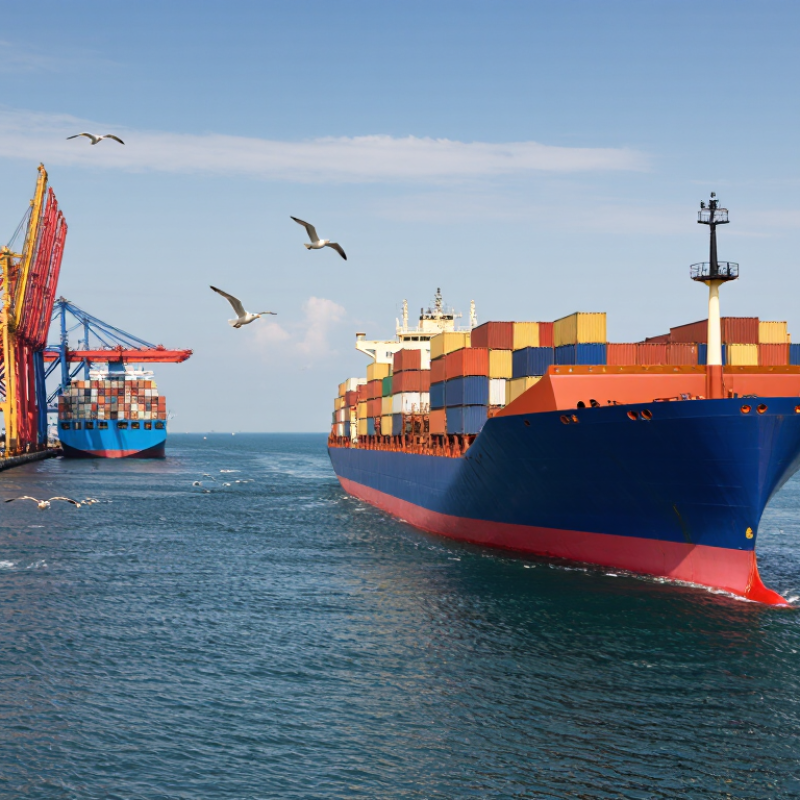
Why Choose Ocean Freight Forwarding for Global Shipping?

What Ocean Freight Forwarding Means in Global Shipping

Why Choose Ocean Freight Forwarding for Global Shipping?

Ocean freight forwarding means managing the movement of goods between countries by sea. It connects suppliers, ports, carriers, customs brokers, and final delivery teams. A forwarder arranges space, checks shipping documents, and coordinates cargo handoffs. The service may include container booking, consolidation, cargo insurance support, and shipment tracking. For example, several smaller shipments can share one container when their routes and handling needs match. This can reduce unused space and improve cost control. However, consolidation adds another handling stage. Small mistakes in carton labels or paperwork can delay release. Port schedules can also change.

Shippers choose ocean freight for large, heavy, or non-urgent cargo. Container rates are often lower than air transport, but transit takes longer. Price alone should not guide the decision. Experienced planners compare cargo volume, delivery deadlines, seasonal port congestion, and destination charges. They also check whether goods need special temperature, moisture, or handling controls. A typical shipment passes through booking, export clearance, loading, ocean transit, import clearance, and inland delivery. Each stage needs accurate information. Still, no plan is perfect. Weather, labor disruptions, and missed connections can affect timing. Good forwarding practice includes realistic delivery windows and regular updates, not confident guesses. A clear cargo description helps every party handle the shipment correctly.

How Ocean Freight Forwarding Works Step by Step

Ocean freight forwarding moves cargo through a coordinated chain, from the supplier’s warehouse to the destination port. The process begins when a shipper confirms cargo details, volume, packaging, pickup location, and delivery terms. A forwarder checks whether the goods need special handling, temperature control, or additional documentation. Small errors matter. An incorrect weight can affect space planning, charges, and customs information.

After booking suitable vessel space, the forwarder arranges inland transport to the export terminal. The cargo may be consolidated with other shipments or loaded into a dedicated container. At the warehouse, staff inspect labels, count packages, record dimensions, and photograph visible condition. This practical evidence can clarify disputes later, although photographs never replace accurate packing. Export documents are reviewed before the container enters the port and moves through required clearance procedures.

Once loaded, the vessel follows its scheduled route, with possible delays from weather, congestion, or transshipment. A reliable forwarder tracks milestones and reports changes instead of promising perfect arrival times. At destination, the container is discharged, import documents are checked, and local transport is arranged. The receiver should verify package counts and damage before signing delivery records. I have found that the weakest step is often communication. A clear timeline helps, but it must be updated when reality changes.

Key Advantages of Choosing Ocean Freight Services

Why Choose Ocean Freight Forwarding for Global Shipping?

Ocean freight services offer a practical balance between capacity, cost, and international reach. A single container can carry pallets, machinery, furniture, or packaged products across long distances. This makes ocean shipping suitable for businesses moving steady volumes between continents. It is rarely the fastest option. Yet, for planned deliveries, its lower transport cost can protect profit margins.

Cost control is a major advantage. Ocean rates often remain more predictable than urgent air transport costs, especially for heavy or oversized cargo. Forwarders can also combine shipments when a full container is unnecessary. This reduces unused space and gives smaller companies better access to global markets. Careful packing matters. A poorly secured carton can suffer from vibration, moisture, or repeated handling.

Reliable forwarding involves more than booking vessel space. Experienced specialists check commercial invoices, packing details, cargo dimensions, and delivery terms. They coordinate port schedules, inland transport, tracking updates, and lawful customs documentation. I have found that clear information prevents many delays. Still, schedules can change because of storms, port congestion, or equipment shortages. That uncertainty deserves honest planning, not vague promises.

Ocean transport also supports more efficient inventory planning. Companies can schedule regular departures and maintain safety stock near demand centers. Digital tracking improves visibility from warehouse pickup to final delivery. However, tracking data is not always perfectly current. Teams should confirm critical milestones directly and keep backup delivery plans. Reliable service depends on communication, accurate documents, suitable packaging, and realistic transit expectations.

Why Choose Ocean Freight Forwarding for Global Shipping? - Key Advantages of Choosing Ocean Freight Services

Evaluation Dimension Key Ocean Freight Advantage Practical Data or Benchmark Best-Fit Shipping Situation
Cargo Capacity Very high vessel and container capacity supports large-volume international shipments. The largest container vessels can carry more than 20,000 TEUs, while standard containers commonly provide 20-foot or 40-foot capacity. Bulk orders, regular replenishment, industrial equipment, and large retail shipments.
Transportation Cost Usually offers the lowest transport cost per unit for heavy or high-volume cargo compared with air freight. Freight is commonly priced by container, weight, or volume; FCL shipments can reduce the unit cost as container utilization increases. Non-urgent cargo, cost-sensitive procurement, and shipments with predictable demand.
Environmental Efficiency Ocean transport generally produces lower greenhouse-gas emissions per tonne-kilometre than air transport. Indicative freight-emission estimates often place container shipping at roughly 10–40 grams of CO₂e per tonne-kilometre, compared with several hundred grams for air freight; actual results vary by vessel, route, fuel, and load factor. Companies seeking lower-emission transport options and more sustainable supply-chain planning.
Transit Time Provides reliable global connectivity when delivery schedules are planned in advance. Typical port-to-port transit times range from approximately 20 to 45 days, depending on distance, routing, transshipment, port congestion, and seasonal conditions. Planned inventory, long-lead-time products, and shipments that do not require urgent delivery.
Cargo Flexibility Supports a broad range of cargo types, including containerized, refrigerated, hazardous, oversized, and project cargo. Common options include FCL, LCL, reefer containers, flat racks, open-top containers, and specialized project-cargo arrangements. Perishable goods, machinery, vehicles, construction materials, and mixed-size shipments.
Global Port Coverage Connects major manufacturing regions, consumer markets, and inland distribution networks through established port infrastructure. More than 80% of global merchandise trade by volume is transported by sea, according to international maritime trade data. Cross-border procurement, international distribution, and multi-country supply chains.
Scalability Capacity can be scaled from small consolidated shipments to multiple containers and recurring contract volumes. LCL allows cargo sharing when a full container is unnecessary; FCL provides dedicated container space for larger volumes. Start-ups, growing exporters, seasonal demand, and established high-volume shippers.
Forwarding and Documentation A freight forwarder can coordinate booking, export documentation, customs processes, cargo consolidation, and inland delivery. Typical documents may include a commercial invoice, packing list, bill of lading, export declarations, certificates of origin, and product-specific permits. Businesses that need centralized shipment coordination across multiple transport stages.
Supply-Chain Planning Longer transit times encourage structured forecasting, safety-stock planning, and more disciplined inventory management. Delivery plans should account for sailing schedules, port dwell time, customs clearance, inland transport, and potential schedule changes. Businesses with forecastable demand and established inventory-control processes.

Note: Transit times, freight rates, capacity, and emissions vary by route, season, cargo type, vessel efficiency, fuel, port conditions, and regulatory requirements. TEU means twenty-foot equivalent unit. The global trade and emissions benchmarks are based on widely reported international maritime and freight-transport statistics.

Costs, Transit Times, and Capacity Considerations

Ocean freight forwarding remains practical for large, non-urgent shipments. UNCTAD’s Review of Maritime Transport 2024 states that ships carry over 80% of global trade by volume. A 40-foot container can move thousands of cartons at a lower unit cost than air freight. However, the cheapest quote is not always the lowest final cost. Add port handling, customs preparation, inland trucking, storage, and possible demurrage. Small omissions can become expensive.

Transit times commonly range from 20 to 45 days, depending on the route, transshipment points, weather, and port congestion. UNCTAD reported that seaborne trade reached about 12.3 billion tons in 2023, showing the system’s scale and pressure. Capacity also matters. During peak seasons, available vessel space may tighten, while blank sailings can disrupt planned departures. The World Bank’s Logistics Performance Index 2023 emphasizes that reliability and shipment tracking strongly affect logistics performance. Transit estimates are useful, but they are not promises. I have seen a low-rate booking lose its advantage after a delayed connection.

Tips: Compare total landed cost, not only freight rates. Request at least two sailing options. Leave buffer time for production deadlines. Confirm container type, cutoff dates, free storage days, and inland delivery terms. For steady volumes, reserve capacity earlier and review performance monthly. Availability can change quickly.

How to Select the Right Ocean Freight Forwarder

Choosing an ocean freight forwarder begins with operational questions, not a low headline rate. Ask how they handle your trade lane, cargo type, and expected monthly volume. An experienced forwarder should explain sailing schedules, transit times, port charges, documentation, and possible delays clearly. Vague answers are warning signs.

Request a detailed quotation with every charge listed. Confirm whether it includes origin pickup, terminal handling, customs coordination, insurance options, and destination delivery. Check the forwarder’s licenses, safety procedures, financial stability, and industry references. Speak with customers who ship similar cargo. Their experience may reveal problems that a sales presentation hides.

Communication matters during real shipments. Ask who will monitor the container and how quickly they report schedule changes. A reliable team should provide milestone updates, accurate tracking, and a named contact during disruptions. Test this before signing. Send three practical questions and measure the response time.

I once focused too heavily on price. The cheaper option later created extra work through unclear charges and delayed updates. That mistake changed my selection process. Reliability is difficult to measure, but response quality provides useful evidence. Choose a forwarder that documents assumptions, admits limitations, and offers a realistic contingency plan when vessels, ports, or weather disrupt the route.

FAQS

When is ocean freight a practical choice?

Ocean freight suits large, non-urgent shipments. A 40-foot container can carry thousands of cartons at a lower unit cost. It is slower than air freight, though.

How long does ocean freight usually take?

Transit commonly takes 20 to 45 days. Routes, transshipment, weather, and congestion can change the schedule. Estimates are not promises.

What costs should be included beyond the freight rate?

Check port handling, customs preparation, inland trucking, storage, and possible demurrage. Also confirm pickup, terminal fees, delivery, and insurance options. Small omissions become expensive.

How can I compare different shipping quotes?

Compare total landed cost, not only the headline rate. Request detailed charges in writing. A cheap booking may lose its advantage after delays.

What should I ask about capacity and sailing schedules?

Request at least two sailing options. Confirm vessel space, cutoff dates, container type, and possible blank sailings. Peak seasons can reduce availability quickly.

How can I evaluate a freight forwarder before signing?

Ask about your trade lane, cargo type, and monthly volume. Request licenses, safety procedures, financial information, and relevant customer references. Vague answers are warning signs.

What communication standards should a forwarder provide?

Ask who monitors the container and reports schedule changes. Expect milestone updates, accurate tracking, and a named disruption contact. Test their response time beforehand.

How much schedule buffer should I allow?

Leave extra time for production deadlines and inland delivery. Weather, port congestion, and missed connections can extend transit. I once trusted a tight estimate. It was uncomfortable.

What should a contingency plan include?

It should address vessel delays, port disruption, weather, and limited capacity. The forwarder should explain alternatives and admit limitations. Perfect certainty is unrealistic.

Conclusion

Ocean Freight Forwarding is a practical solution for businesses moving large or heavy shipments across international markets. It involves coordinating cargo pickup, export documentation, port handling, vessel booking, customs procedures, and final delivery. The process usually begins with shipment planning and carrier selection, followed by packaging, container loading, origin clearance, ocean transport, destination handling, import clearance, and inland delivery. Each stage requires accurate information and careful coordination to keep goods moving efficiently.

Ocean freight services are often more economical than air transport and provide substantial capacity for regular or oversized cargo. However, shippers must consider transit times, sailing schedules, port congestion, fuel-related charges, storage fees, and the type of container required. Choosing the right ocean freight forwarder means evaluating experience, communication, documentation accuracy, service coverage, pricing transparency, cargo tracking, and problem-solving ability. A reliable partner can help balance cost, delivery expectations, and shipment requirements while reducing avoidable delays and operational risks.


Amelia

Amelia

Amelia is a professional marketing specialist with a strong understanding of business strategy, customer needs, and product communication. As a dedicated member of the company’s marketing team, she combines market research, creative storytelling, and practical industry knowledge to explain how the......