Blog

China Top 10 Less Than Truckload Freight Companies

China Top 10 Less Than Truckload Freight Companies

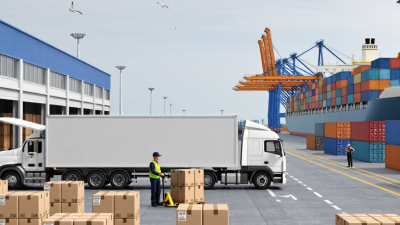
China’s logistics network moves enormous volumes, but shippers often need something smaller than a full truckload. Less Than Truckload Freight combines shipments from multiple customers, making carrier choice important for transit time, handling, and cost. China’s Federation of Logistics & Purchasing reported that the country’s total social logistics value reached RMB 352.4 trillion in 2023, up 5.2% year over year. That figure covers logistics broadly, not LTL alone, but it shows the scale of the market in which these carriers operate. The American Trucking Associations’ American Trucking Trends 2023 reported that trucks moved 72.6% of U.S. freight tonnage in 2022. The statistic is not China-specific, yet it illustrates trucking’s central role in freight networks. ATA Chief Economist Bob Costello has described trucking as “the backbone of the U.S. economy.” For LTL shippers, the practical lesson is clear: a broad network matters, but so do reliable pickup windows, careful terminal handling, and accurate shipment updates. This guide examines ten leading Less Than Truckload Freight companies serving China’s market. It considers network reach, service options, shipment visibility, and fit for different shipping needs. A ranking can simplify a complex decision. It can also hide local service gaps, so readers should verify lane coverage and current terms before choosing a carrier. A polished national profile does not guarantee a smooth delivery to every warehouse.
Read more »
Charlotte By:Charlotte - October 29, 2026
How to Use Express Air Freight in 2026?

How to Use Express Air Freight in 2026?

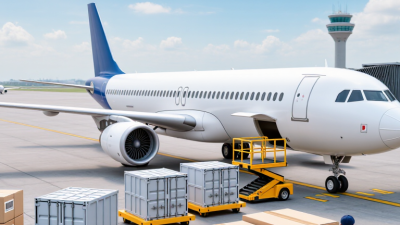
Express Air Freight has become a practical solution for urgent, high-value, and time-sensitive shipments in 2026. It connects manufacturers, online retailers, laboratories, and distributors through scheduled airline networks. The decision is not simply about choosing the fastest flight. It involves transit time, airport cutoffs, dimensional weight, customs documentation, and final-mile delivery. Industry data supports its growing importance. The International Air Transport Association reported that global air cargo demand increased by 11.3% in 2024, while available cargo capacity rose by 7.4%. IATA also noted record annual cargo traffic, reflecting stronger e-commerce activity and supply-chain adjustments. Boeing’s World Air Cargo Forecast 2024–2043 projects approximately 4% annual air-cargo growth over the next two decades. These figures suggest continued demand for reliable express services, especially on Asia–North America and Asia–Europe routes. Yet forecasts are not promises. A shipment can leave the origin airport quickly and still arrive late because of missed acceptance cutoffs, weather, handling congestion, or incomplete paperwork. That detail matters. In practice, experienced shippers compare carrier schedules, service guarantees, dimensional pricing, tracking quality, and destination delivery performance. They also verify product descriptions, declared values, packaging standards, and destination requirements before booking. This guide explains how to use Express Air Freight more effectively in 2026. It combines operational experience with findings from IATA and Boeing reports. Some recommendations will reduce cost. Others may increase control rather than speed. That trade-off deserves careful consideration.
Read more »
Amelia By:Amelia - October 24, 2026
10 Pick and Pack Fulfillment Tips for Global Buyers?

10 Pick and Pack Fulfillment Tips for Global Buyers?

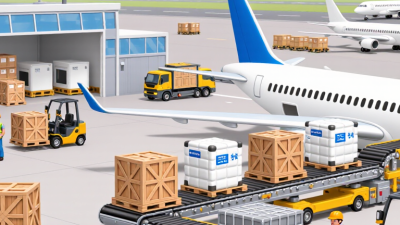
Global buyers expect more than a parcel that leaves the warehouse. They expect accurate items, protective packaging, clear tracking, and delivery that matches the promised timeline. That standard makes Pick and Pack Fulfillment a practical discipline, not a final warehouse task. A wrong color, missing accessory, or crushed carton can create refunds, delays, and avoidable customer complaints. Across markets, small handling decisions often shape the entire buying experience. This guide presents ten actionable tips for businesses serving international customers. It considers SKU accuracy, warehouse layout, barcode checks, packaging choices, inventory visibility, and carrier coordination. It also addresses details that teams sometimes overlook, such as local labeling requirements and weather-sensitive protection. Experienced operators know that speed alone is not enough. A fast error remains an error. Reliable fulfillment depends on repeatable procedures, trained staff, and records that support every shipment. Still, no process is perfect. A new product, peak-season surge, or unclear supplier specification can expose weaknesses quickly. The useful response is honest review, measured testing, and steady improvement. These recommendations support lawful, transparent trade and responsible service across borders. Use them as a working framework, then adjust each practice to your products, customers, and verified logistics requirements.
Read more »
Ethan By:Ethan - October 19, 2026
How to Optimize Amazon FBA Prep Logistics in 2026?

How to Optimize Amazon FBA Prep Logistics in 2026?

Amazon FBA Prep Logistics in 2026 will demand more than fast carton handling. It will require accurate inventory data, disciplined quality checks, and reliable coordination across suppliers, prep centers, carriers, and Amazon facilities. A small labeling error can delay a shipment, create storage pressure, or trigger avoidable customer complaints. This introduction explores practical ways to build a more resilient Amazon FBA Prep Logistics process. Real operations rarely follow a perfect spreadsheet. Purchase orders change. Cartons arrive with mixed quantities. Carrier appointments move without much warning. Experienced teams reduce these surprises through barcode scans, photo records, carton measurements, and clear handoff rules. They also compare expected and actual receiving results. That evidence supports better decisions and makes supplier conversations more objective. In 2026, useful optimization may include demand forecasting, inventory alerts, standardized prep instructions, and carefully monitored third-party partners. Technology helps, but it does not replace trained judgment. Human review still matters. A stronger workflow should protect product condition, packaging accuracy, and shipment traceability while respecting marketplace requirements and applicable laws. It should also account for batteries, cosmetics, food, and other products that may require special documentation or handling. Not every automation project will produce savings. Some systems create new errors when teams trust them blindly. That is worth acknowledging. The goal is not a flawless process, but one that detects mistakes early, measures performance honestly, and improves after each shipment. The following sections examine practical planning, cost control, compliance, partner selection, and contingency methods for dependable FBA preparation in 2026.
Read more »
Ethan By:Ethan - October 14, 2026
Top Commercial Warehousing Services for Global Buyers

Top Commercial Warehousing Services for Global Buyers

Global buyers need more than square footage. They need dependable Commercial Warehousing Services that connect inventory, transport, technology, and customer demand. The market is becoming more complex. MHI’s 2024 Annual Industry Report found that 55% of supply chain leaders planned to increase technology investment. The report also identified robotics, sensors, and artificial intelligence as important development areas. CBRE’s 2024 Global Logistics Occupier Survey similarly highlights flexibility, labor availability, and network resilience as major warehousing concerns. These findings matter to importers managing seasonal products, multiple suppliers, and uncertain delivery schedules. A warehouse can look modern and still perform poorly. Small errors compound. As Alan Braithwaite, chairman of LCP Consulting and a recognized supply chain specialist, said, “The warehouse is the fulcrum of the supply chain.” His observation remains useful for global purchasing teams. Storage decisions influence stock accuracy, customs documentation, order speed, packaging quality, and final-mile performance. The best providers offer measurable controls, not vague promises. Buyers should examine inventory accuracy, order cut-off times, system integration, damage rates, security procedures, and contingency plans. They should also ask how staff handle peak seasons and unexpected disruptions. This guide explores leading Commercial Warehousing Services for global buyers. It focuses on practical capabilities, transparent performance indicators, and scalable support. No provider is perfect. A low-cost option may create hidden delays. An advanced facility may be unsuitable for fragile or regulated products. Careful comparison is essential. The right partner should make goods easier to locate, prepare, and move—without compromising lawful, safe, and responsible operations.
Read more »
Amelia By:Amelia - October 9, 2026
China Best Reefer Container Shipping Company?

China Best Reefer Container Shipping Company?

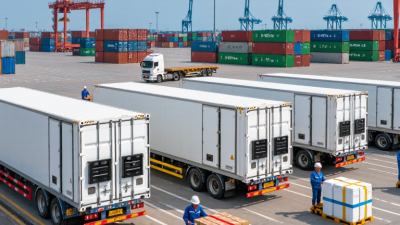
Choosing the China best reefer container shipping company requires more than comparing freight rates. Temperature-sensitive cargo needs stable handling, accurate documentation, and dependable communication. Fresh fruit, frozen seafood, vaccines, and dairy products may react quickly to delays or temperature changes. A reliable partner should protect cargo from booking to final delivery. This guide examines how experienced exporters evaluate Reefer Container Shipping providers in China. It considers fleet condition, temperature monitoring, port coverage, transit planning, customs coordination, and emergency response. Strong companies should explain their procedures clearly, provide shipment visibility, and use trained staff for refrigerated cargo. They should also follow applicable transport, food safety, customs, and environmental requirements in every market. Price still matters. However, the lowest quotation may hide important limitations. A cheaper service may offer fewer sailing options, slower support, or weaker contingency planning. No provider is perfect. Even a well-managed shipment can face port congestion, equipment shortages, weather disruption, or inaccurate cargo information. This guide therefore focuses on evidence rather than bold promises, including service records, customer feedback, equipment details, and written operating procedures. Readers will also find practical questions for comparing suppliers before signing a contract. Can the company maintain the required temperature range? Does it provide real-time alerts? How quickly does it respond when a reefer alarm appears? These details reveal operational maturity. The best choice should combine technical capability, transparent pricing, proven experience, and responsible service. It should make refrigerated logistics feel controlled, not merely convenient.
Read more »

Ethan By:Ethan - October 4, 2026
How to Ship Less Than Container Load Freight?

How to Ship Less Than Container Load Freight?

Shipping Less Than Container Load Freight can look simple: reserve space, deliver cartons, and wait for arrival. The reality is more delicate. Your cargo shares a container with other shipments, so packaging, documentation, consolidation, and destination handling all matter. UNCTAD’s Review of Maritime Transport 2024 reports that maritime shipping carries more than 80% of global trade by volume. It also records continued growth in seaborne trade, despite routing disruptions and higher operating costs. These pressures affect smaller consignments first. A minor delay at a consolidation warehouse can change the delivery schedule. The World Bank’s Logistics Performance Index 2023 highlights customs efficiency, shipment reliability, and timely delivery as key logistics factors. LCL planning depends on all three. It also depends on practical details, such as carton strength, accurate dimensions, pallet stability, and realistic delivery windows. Transportation geographer Jean-Paul Rodrigue has described containerization as “the most important innovation in transportation in the last 50 years.” His observation explains why shared-container shipping remains valuable for smaller businesses. Yet innovation does not remove uncertainty. LCL is not always the cheapest choice. A low ocean rate may hide destination charges, warehouse fees, or extra handling. That is where many shipping plans become weak. Forwarders should compare the complete landed cost, not only the freight quotation. Shippers should also ask where consolidation occurs, how cargo is protected, and what happens when another shipment causes delay. This guide explains how to ship Less Than Container Load Freight with clearer decisions, stronger preparation, and fewer avoidable surprises. Some assumptions may still fail. That is worth acknowledging. Reliable logistics requires measurement, communication, and the willingness to revise the plan.
Read more »
Amelia By:Amelia - September 29, 2026
What Is Air Freight Forwarding and How Does It Work?

What Is Air Freight Forwarding and How Does It Work?

Air Freight Forwarding connects manufacturers, online retailers, and customers through carefully coordinated air transport. A forwarder compares routes, space, schedules, handling needs, and documentation. The process usually begins with cargo collection and shipment planning. It continues through consolidation, airport handling, customs coordination, flight movement, and final delivery. Timing matters. A small delay at a warehouse can affect an entire connection. Industry data shows why this service matters. IATA’s Air Cargo Market Analysis reported an 11.3% increase in global air-cargo demand during 2024, measured in cargo tonne-kilometers. Available capacity also grew, but more slowly, by 7.4%. This imbalance can make space expensive during peak periods. The WorldACD Market Data report similarly tracks changing volumes, yields, and trade lanes across major markets. These reports offer useful evidence, although no single dataset explains every shipment. Brendan Sullivan, IATA’s Global Head of Cargo, has described air cargo as “a critical component of the global economy.” His observation reflects the forwarder’s wider role. Air Freight Forwarding is not simply booking an aircraft. It requires practical judgment, reliable communication, and accurate shipment visibility. Temperature-sensitive products need controlled handling. High-value machinery needs secure transfer points. Unexpected weather still creates pressure. That reality deserves more attention. Forwarders can reduce risk, but they cannot remove every uncertainty. A strong introduction should therefore examine the people, systems, costs, and decisions behind each movement, rather than presenting air transport as effortless.
Read more »
Ethan By:Ethan - September 23, 2026
2026 Best Full Container Load Shipping Rates?

2026 Best Full Container Load Shipping Rates?

Finding the 2026 best Full Container Load Shipping rates requires more than comparing one headline price. A realistic quote combines ocean freight, origin handling, documentation, terminal charges, and destination delivery. Equipment type matters too. A 20-foot container may suit dense cargo, while a 40-foot container offers more volume for lighter goods. This guide examines the factors shaping FCL pricing across major trade lanes. It considers port selection, sailing schedules, fuel adjustments, seasonal demand, and container availability. A quote from Shanghai to Los Angeles can change significantly when the origin port, delivery address, or service speed changes. The same applies to routes from Rotterdam, Singapore, or Busan. Details matter. Reliable rate research should use recent carrier tariffs, licensed freight forwarder quotations, and clearly stated Incoterms. Experienced shippers should request itemized offers and confirm validity dates before booking. A low rate may exclude chassis fees, customs brokerage, storage, or last-mile transport. That omission can distort the final landed cost. This discussion also recognizes an uncomfortable reality: “best” does not always mean cheapest. A slower sailing may reduce cost but create inventory pressure. A premium service may protect a production schedule, yet still require careful review. Market conditions can shift weekly, and published estimates may become outdated quickly. Readers should compare complete door-to-door costs, service reliability, transit time, and carrier experience before making a decision. The figures and examples should be treated as practical guidance, not guaranteed offers.
Read more »
Ethan By:Ethan - September 23, 2026
Why Choose Ocean Freight Forwarding for Global Shipping?

Why Choose Ocean Freight Forwarding for Global Shipping?

Ocean Freight Forwarding remains a practical choice for businesses moving large volumes across international markets. It connects manufacturers, suppliers, ports, customs teams, and final destinations through one coordinated process. A full container can carry thousands of cartons, machinery parts, or packaged goods at a lower cost per unit than many airfreight options. The journey may take weeks. That slower pace requires careful planning. Experienced freight forwarders compare carrier schedules, port performance, container availability, and routing risks before booking cargo. They also help prepare commercial invoices, packing lists, bills of lading, and other required shipping documents. Accurate paperwork matters. One missing detail can delay cargo at a busy terminal. Reliable providers explain responsibilities clearly and communicate when schedules change. Ocean Freight Forwarding can also support greener logistics decisions. Ships generally produce fewer emissions per unit than aircraft, especially when cargo is consolidated efficiently. However, sustainability claims should be measured, not assumed. Fuel type, vessel age, route length, port congestion, and container utilization all affect the final impact. Some estimates remain imperfect. The strongest forwarding partnerships are built on experience, transparency, and practical judgment. A capable provider does more than secure ocean space. It tracks milestones, checks documentation, coordinates inland transport, and helps businesses respond to disruption. Shippers should still review service terms, insurance coverage, delivery timelines, and destination requirements. No shipping method removes every risk. Careful decisions reduce surprises.
Read more »
Amelia By:Amelia - September 23, 2026