0%

Choosing the China best reefer container shipping company requires more than comparing freight rates. Temperature-sensitive cargo needs stable handling, accurate documentation, and dependable communication. Fresh fruit, frozen seafood, vaccines, and dairy products may react quickly to delays or temperature changes. A reliable partner should protect cargo from booking to final delivery.

This guide examines how experienced exporters evaluate Reefer Container Shipping providers in China. It considers fleet condition, temperature monitoring, port coverage, transit planning, customs coordination, and emergency response. Strong companies should explain their procedures clearly, provide shipment visibility, and use trained staff for refrigerated cargo. They should also follow applicable transport, food safety, customs, and environmental requirements in every market.

Price still matters.

However, the lowest quotation may hide important limitations. A cheaper service may offer fewer sailing options, slower support, or weaker contingency planning. No provider is perfect. Even a well-managed shipment can face port congestion, equipment shortages, weather disruption, or inaccurate cargo information. This guide therefore focuses on evidence rather than bold promises, including service records, customer feedback, equipment details, and written operating procedures.

Readers will also find practical questions for comparing suppliers before signing a contract. Can the company maintain the required temperature range? Does it provide real-time alerts? How quickly does it respond when a reefer alarm appears? These details reveal operational maturity. The best choice should combine technical capability, transparent pricing, proven experience, and responsible service. It should make refrigerated logistics feel controlled, not merely convenient.
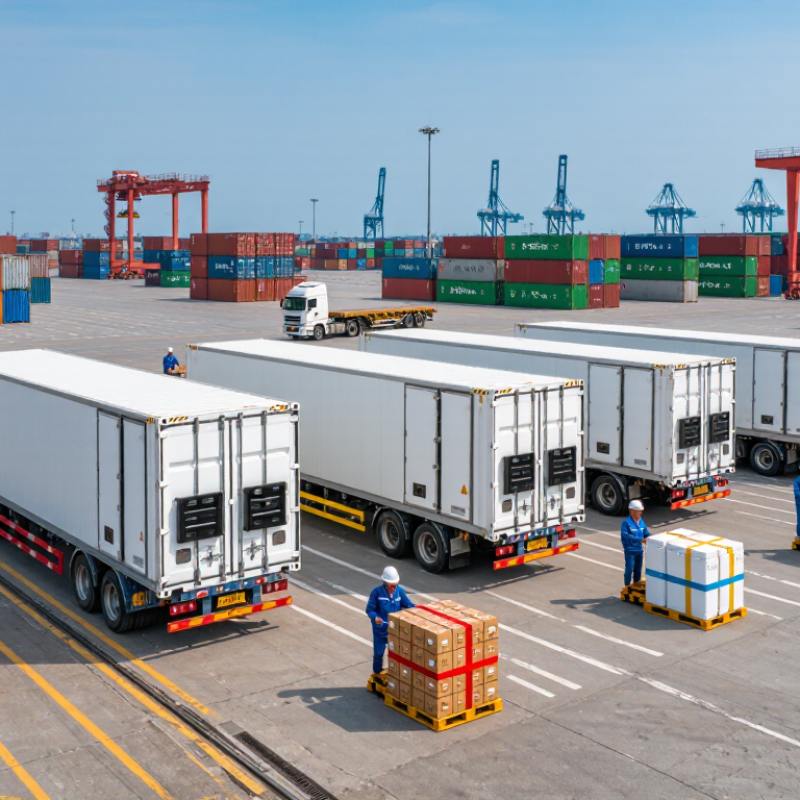
China Best Reefer Container Shipping Company?

What Is a Reefer Container Shipping Company?

A reefer container shipping company specializes in transporting temperature-sensitive cargo inside refrigerated containers. These containers use powered cooling systems to maintain a controlled temperature during port handling, inland transport, and ocean transit. Typical cargo includes fresh fruit, seafood, dairy products, flowers, and some approved medical supplies.

The work involves more than booking vessel space. Experienced staff confirm the cargo’s required temperature, ventilation setting, loading pattern, and transit schedule. They also check the container before loading. The display should show a stable temperature, clean interior, working alarms, and enough fuel for non-powered periods. Small details matter. A blocked air channel can damage cartons near the rear doors.

Reliable operators monitor temperature records and communicate quickly when delays occur. They coordinate with terminals, truck drivers, customs specialists, and cold-storage facilities. Clear documentation supports traceability from the packing site to the final delivery. However, reefer transport is not perfectly predictable. Weather, port congestion, power interruptions, or incorrect product information can still create risks. A careful company explains these limits instead of promising flawless service. Its team reviews each shipment afterward, learns from temperature deviations, and adjusts procedures for the next load. That practical discipline often matters more than attractive advertising.

How to Evaluate Reefer Shipping Providers in China

How to Evaluate Reefer Shipping Providers in China

Selecting a reefer provider requires more than comparing freight rates. Drewry’s 2024 Reefer Shipping Annual Review estimated global seaborne reefer trade at approximately 130 million tonnes in 2023. That volume makes equipment reliability critical. Ask for recent records on pre-trip inspections, temperature alarms, generator performance, and container availability. A provider should explain how it handles a delayed vessel or a failed cooling unit. Vague answers are warning signs.

Review the complete route, not only the port-to-port price. The World Bank’s 2023 Logistics Performance Index evaluates customs, infrastructure, international shipments, logistics competence, tracking, and timeliness. Use these areas as a practical checklist. Request tracking screenshots, historical transit data, port plugging procedures, and claims-response times. Check whether temperature reports cover the entire journey, including terminal storage and inland trucking. Small gaps can damage sensitive cargo.

Experience matters here. A strong operator can discuss loading temperatures, ventilation settings, humidity risks, and product-specific tolerances. Request a sample report before signing. It may reveal missing timestamps or unclear alarm codes. That is useful. A low quote can look clever, but it may hide poor equipment access or weak disruption planning. I would also compare three recent shipments, because one successful move proves very little. Ask difficult questions. Keep written evidence.

Which Services Define the Best Reefer Shipping Company?

A best reefer shipping company is defined by cold-chain discipline, not a low ocean rate. UNCTAD’s Review of Maritime Transport 2024 states that more than 80% of global merchandise trade moves by sea. For temperature-sensitive cargo, one delayed inspection or missed connection can damage the shipment.

Reliable service begins with verified equipment. Containers should pass pre-trip inspections, maintain stable temperatures, and provide calibrated data logs. A strong provider offers remote monitoring, alarm escalation, and clear intervention procedures. The Global Cold Chain Alliance emphasizes visibility, energy efficiency, and operational control across refrigerated logistics. These services matter when cargo sits at a terminal under harsh sunlight.

Experience also appears in the small details. Staff should check set points, ventilation settings, humidity needs, and power availability before loading. They should explain what happens during a port delay. Fast answers help. Vague answers do not. FAO’s The State of Food and Agriculture 2019 estimated that 14% of food is lost between harvest and retail, showing why careful temperature management deserves attention.

Good documentation builds trust. Shipment records should include inspection results, temperature history, handover times, and incident reports. However, digital tracking is not perfect. Sensors can fail, and alerts may arrive late. A dependable service combines technology with trained operators and practical backup plans. That human layer is often overlooked. It should not be.

China Best Reefer Container Shipping Company? - Which Services Define the Best Reefer Shipping Company?

Service Dimension What a High-Quality Reefer Service Should Provide Practical Industry Benchmark Why It Matters Recommended Evaluation Evidence
Temperature-Controlled Equipment Access to refrigerated containers suitable for chilled, frozen, and temperature-sensitive cargo. Common set-point range: approximately −30°C to +30°C, subject to equipment and cargo requirements. Maintains product quality throughout the ocean journey and reduces temperature-related loss. Equipment specifications, cargo acceptance rules, and confirmation of the required set point.
Pre-Trip Inspection Inspection of the refrigeration unit, machinery, seals, air circulation, sensors, and container condition before loading. Required before loading Identifies mechanical or structural issues before cargo enters the supply chain. Inspection record, equipment condition report, and approved pre-trip inspection status.
Continuous Temperature Monitoring Collection of temperature data during transport, with access to alerts or shipment records where available. Monitoring should cover the full transport cycle, including terminal dwell time and ocean transit. Provides traceability and supports faster action when temperatures move outside the approved range. Monitoring procedure, alert thresholds, data-access method, and sample temperature report.
Power Supply at Terminals Reliable connection of reefer containers to electrical power while awaiting vessel loading, transshipment, or delivery. Power connection should be arranged during all planned terminal dwell periods. Prevents unnecessary temperature fluctuation while the container is stationary. Terminal handling process, reefer plug-in confirmation, and escalation procedure for power interruption.
Cargo-Specific Operating Instructions Correct handling of set point, ventilation, humidity requirements, air exchange, and loading pattern. Instructions should be documented before cargo handover and aligned with the product’s transport specification. Different commodities require different airflow and temperature settings. Booking instructions, commodity-specific checklist, and shipper approval of operating parameters.
Port-to-Port Schedule Reliability Clear sailing schedules, transshipment information, cut-off times, and notification of operational changes. Schedule performance should be reviewed using recent shipment records rather than advertised transit time alone. Longer delays increase energy consumption, handling exposure, and the risk of cargo deterioration. Recent shipment history, schedule-change notices, and documented contingency routing.
Customs and Documentation Support Accurate handling of commercial invoices, packing lists, certificates, permits, bills of lading, and temperature-related documents. Documents should be checked before the cargo cut-off and updated promptly when shipment details change. Incomplete documents can cause customs holds, missed sailings, and additional storage costs. Documentation checklist, filing timeline, customs process, and correction workflow.
Cold Chain Compliance Operating procedures consistent with applicable food, pharmaceutical, and international cold-chain requirements. Controls should include documented procedures, staff training, deviation handling, and shipment records. Demonstrates that the provider manages reefer cargo systematically rather than only supplying equipment. Quality manuals, training records, audit reports, and deviation or corrective-action procedures.
Emergency Response 24-hour escalation for equipment alarms, power failures, port delays, customs holds, and route disruption. 24/7 escalation preferred Rapid intervention can limit temperature excursions and reduce the risk of total cargo loss. Emergency contact list, response-time standard, escalation matrix, and recovery plan.
Transshipment Management Coordinated reefer handling, power connection, condition checks, and data continuity at intermediate ports. Each transshipment should have a defined handover and exception-reporting process. Transshipment adds handling and dwell-time risks to temperature-sensitive cargo. Port handover procedures, connection records, and exception notifications.
Door-to-Door Coordination Integration of ocean freight with refrigerated trucking, warehouse transfers, customs clearance, and final delivery. Temperature control should remain defined from origin pickup through consignee delivery. Many cold-chain failures occur during inland transport or transfer, not only at sea. End-to-end routing plan, refrigerated truck requirements, delivery records, and handover controls.
Cargo Insurance and Liability Clarity Transparent explanation of carrier liability, optional cargo insurance, exclusions, and claims requirements. Coverage should be reviewed against cargo value, commodity risk, and temperature sensitivity. Clarifies financial protection if cargo is damaged, delayed, or exposed to an unacceptable temperature. Terms and conditions, insurance quotation, liability limits, and claims documentation requirements.
Shipment Visibility Tracking of booking status, container location, vessel movement, milestones, and delivery progress. Updates should include key milestones such as gate-in, loading, transshipment, discharge, and delivery. Visibility helps shippers plan inventory and respond quickly to delays. Tracking portal or reporting process, milestone definitions, and notification settings.
Transparent Pricing Clear quotation showing ocean freight, reefer surcharge, terminal fees, documentation charges, inland transport, and possible storage or detention costs. All known accessorial charges should be listed before booking confirmation. Improves cost predictability and makes service comparisons fairer. Itemized quotation, validity period, surcharge rules, and written approval process for extra charges.
Performance Reporting Post-shipment reporting covering schedule performance, temperature events, exceptions, claims, and corrective actions. Performance should be reviewed by shipment lane, commodity, and season where possible. Reliable reporting supports continuous improvement and supplier evaluation. Sample monthly report, key performance indicators, incident log, and corrective-action records.

Evaluation note: Actual temperature ranges, transit times, equipment availability, documentation requirements, and charges vary by cargo type, shipping route, season, port, and applicable regulations. Confirm the final operating conditions in writing before booking.

How China’s Leading Reefer Carriers Manage Temperature Control

China Best Reefer Container Shipping Company?

China’s leading reefer carriers treat temperature control as a continuous process, not a single booking instruction. Drewry’s Reefer Shipping Annual Review 2024 recorded steady growth in global seaborne perishable cargo demand. That growth increases pressure on vessel space, port plugs, and inland power supply. The Global Cold Chain Alliance reported global cold-storage capacity of about 719 million cubic metres in 2023. Reefer shipping must connect with that wider network.

Control begins before loading. Operations teams check the container’s pre-trip inspection, insulation, drains, sensors, and power cable. Cargo teams record pulp temperature, not only the room temperature. They then confirm the setpoint, ventilation, humidity limits, and ventilation mode. During sailing, remote monitoring can send readings at regular intervals. Alarms require human review. A number alone cannot explain a warm container.

China’s major reefer gateways also use planned plug allocation during port handling and transshipment. Backup generators matter during summer congestion. So does fast escalation when a reading changes suddenly. The process sounds disciplined, but it is not perfect. Door openings, delayed customs release, and inaccurate cargo loading can still weaken temperature stability. One weak handoff may damage the entire chain. Experienced operators review alarm histories after delivery, even when no claim appears. That habit exposes repeated mistakes. Sometimes, the data is incomplete. That deserves attention.

How to Choose the Right Chinese Reefer Shipping Partner

Choosing the right Chinese reefer shipping partner requires more than comparing freight rates. A low quote may exclude power fees, port handling, or temperature monitoring. Ask how many reefer shipments the forwarder manages monthly. Request recent temperature records, not only written promises. Practical evidence matters.

Check the partner’s equipment access at origin and destination ports. Confirm container age, pre-trip inspection procedures, and backup arrangements during power failures. A reliable provider should explain alarm handling clearly. They should also share the planned route, transit time, cut-off dates, and documentation process. Small details prevent large losses.

Request references from businesses shipping similar chilled or frozen goods. Review the service agreement carefully, including temperature ranges, liability limits, delay procedures, and communication times. I would also test the partner with a small shipment before committing to regular volumes. That step feels slower, but it reveals real performance.

Do not choose only by price. Experienced teams can identify weak points before loading, such as unsuitable packaging or unstable cargo temperatures. Still, no provider controls every delay. Weather, port congestion, and equipment shortages can change plans quickly. The best partner communicates early, records each decision, and offers practical alternatives instead of vague reassurance. Mistakes can happen. Honest reporting is what builds trust.

China Best Reefer Container Shipping Company? How to Choose the Right Chinese Reefer Shipping Partner

Typical temperature-control requirements for common reefer cargoes

A reliable reefer shipping partner should support the required temperature range, continuous monitoring, pre-trip equipment inspection, emergency response, and stable port-to-port handling. The ranges shown are commonly used operating guidelines and may vary by commodity specification, packaging, destination, and regulatory requirements.

Temperature ranges are presented in degrees Celsius and should be confirmed against the shipper’s product specifications before booking.

FAQS

What should I check before choosing a reefer shipping provider?

Ask for recent pre-trip inspection records and container availability. Request evidence of temperature alarms and generator performance. Vague answers are warning signs.

Why should I review the full transport route?

Port-to-port pricing hides terminal storage and inland trucking risks. Check customs handling, transit times, tracking, and power availability. Small gaps can damage sensitive cargo.

What equipment details matter most?

Confirm stable temperature control and calibrated data logs. Check ventilation settings, humidity controls, and generator support. Ask how equipment failures are handled.

How can I test a provider’s tracking system?

Request tracking screenshots and a sample temperature report. Check timestamps across sailing, terminals, and delivery. Missing records should concern you.

What questions should I ask about delays?

Ask who receives temperature alarms during port delays. Confirm the escalation process and backup equipment. Fast answers help. Vague answers do not.

Why does reefer experience matter?

Experienced staff understand loading temperatures and product-specific tolerances. They can discuss humidity risks and ventilation settings clearly. Still, experience alone proves little.

Which documents should a reliable provider supply?

Request inspection results, temperature history, handover times, and incident reports. Ask for claims-response timelines in writing. Keep every record.

Is the lowest reefer rate usually the best option?

Not always. A low quote may hide weak equipment access or disruption planning. Compare at least three recent shipments before deciding.

Can digital monitoring prevent every cold-chain problem?

No system is perfect. Sensors can fail, and alerts may arrive late. Trained operators and practical backup plans remain necessary. That detail is easy to overlook.

Conclusion

Choosing the right Reefer Container Shipping company in China is essential for protecting temperature-sensitive cargo throughout its journey. A reliable provider should offer modern refrigerated containers, accurate temperature monitoring, dependable vessel schedules, secure cargo handling, and clear communication. Evaluation should also consider service coverage, port capabilities, transit planning, emergency support, documentation accuracy, and the company’s experience with different types of perishable goods.

The best reefer shipping services combine advanced temperature-control procedures with professional operations at every stage, from container preparation and pre-cooling to loading, transit monitoring, and final delivery. They should be able to create transport plans based on cargo requirements, seasonal conditions, destination regulations, and desired delivery times. When selecting a Chinese reefer shipping partner, businesses should compare service reliability, equipment quality, cost transparency, tracking systems, customer support, and customized solutions. A well-qualified partner can reduce temperature risks, improve supply chain efficiency, and provide greater confidence in international refrigerated cargo transportation.


Ethan

Ethan

Ethan is a skilled marketing professional with a strong understanding of product strategy, customer needs, and the evolving dynamics of modern business. As a key member of our company, he combines practical marketing experience with in-depth knowledge of our products, services, and industry......