
Pre-Trip Inspection (PTI)
Mandatory carrier PTI testing of the refrigeration compressor, sensors, structural insulation, and T-bar floor prior to container dispatch.

Protecting high-value perishables, pharmaceuticals, and fresh produce through active IoT temperature tracking, Controlled Atmosphere systems, and seamless FDA/USDA customs execution.

Ocean Reefer & Express Cold Air
From 20ft and 40ft High Cube reefer ocean containers to time-critical temperature-monitored air cargo.

Zero-Break Cold Chain Guarantee
Managing pre-cooling, genset trucking, ISF filings, and FDA prior notice through one dedicated logistics team.
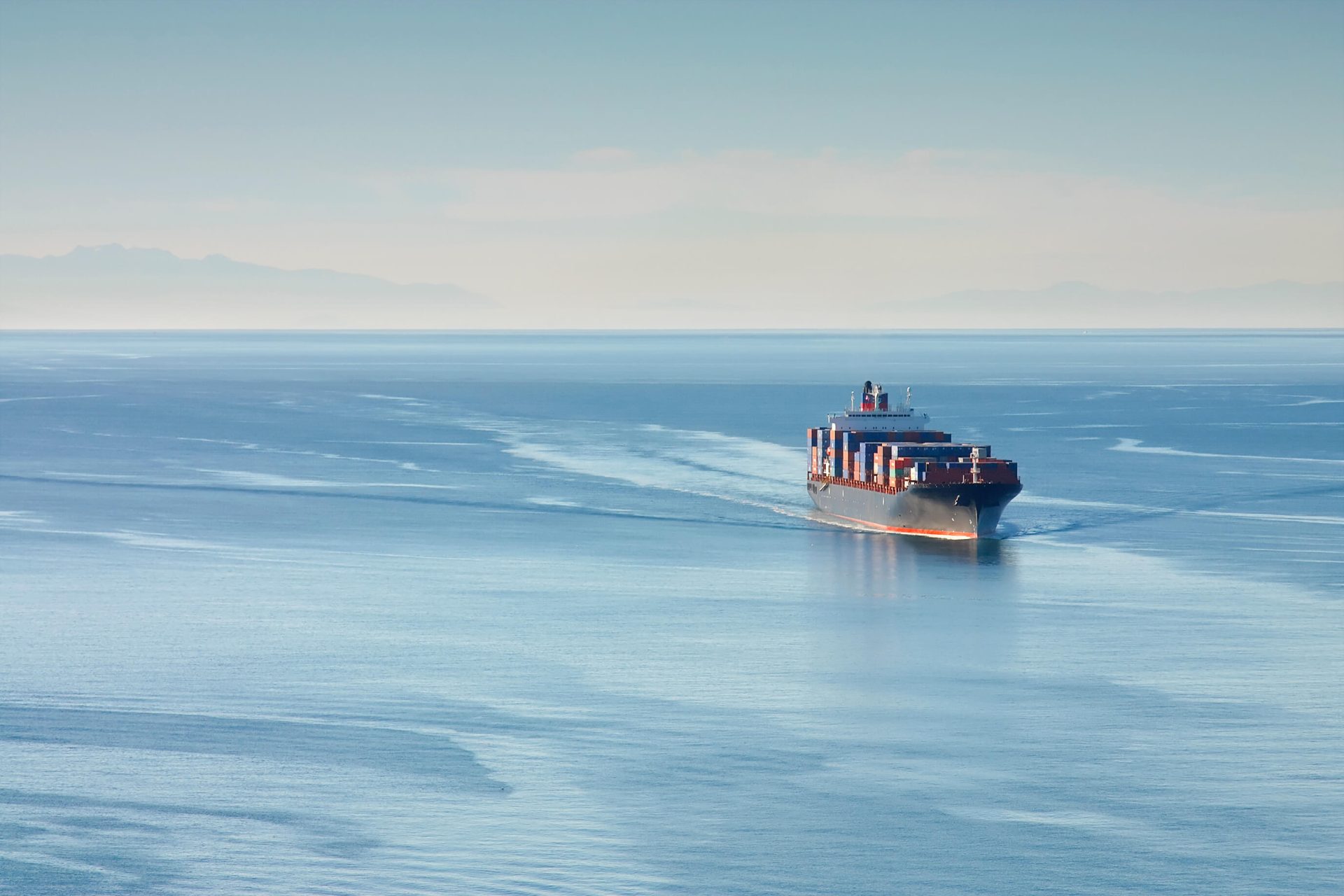
Smart IoT Telematics & iView Desktop
Track set-point temperature, humidity levels, and arrival schedules 24/7 with our automated client portal.


Global reefer container shipping is not merely transporting goods in a refrigerated box; it is the management of a high-precision, mobile microclimate. Universal Cargo engineers robust cold chain transport solutions for temperature-sensitive cargo spanning fresh agriculture, frozen seafood, meat, pharmaceuticals, fine wines, and delicate chemicals.
Unlike standard dry vans, a refrigerated container (reefer) operates as an active thermodynamic system. Cool air is delivered from the bottom of the unit through specialized T-bar floor decking. This bottom-air delivery design forces conditioned air upward through the cargo stack, absorbing respiration heat, ambient thermal gain, and metabolic gases before cycling back to the evaporator coil at the top of the container.
To ensure cargo preservation across 30-day ocean transits, reefer shipping relies on three synchronized parameters:
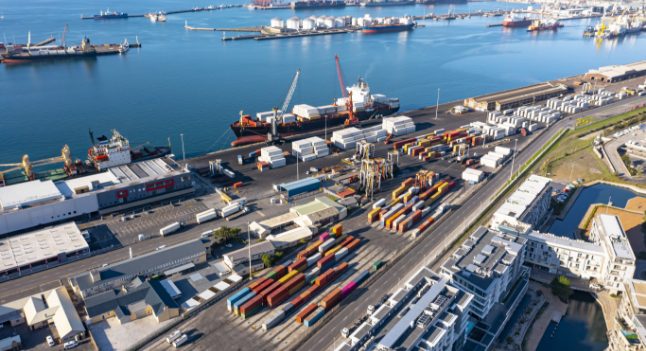
Selecting the right equipment is critical to optimizing ocean freight tariffs, payload weight limits, and airflow efficiency. Review the technical baseline utilized by Universal Cargo’s reefer specialists when building your shipping manifest.
| Specification Metric | 20ft Standard Reefer Container | 40ft High Cube (HC) Reefer Container |
|---|---|---|
| External Dimensions (L x W x H) | 20'0" x 8'0" x 8'6" (6.058m x 2.438m x 2.591m) | 40'0" x 8'0" x 9'6" (12.192m x 2.438m x 2.896m) |
| Internal Dimensions (L x W x H) | 17'10" x 7'6" x 7'5" (5.444m x 2.286m x 2.267m) | 37'11" x 7'6" x 8'4" (11.583m x 2.286m x 2.544m) |
| Door Opening (W x H) | 7'6" x 7 me 4" (2.286m x 2.236m) | 7'6" x 8'4" (2.286m x 2.544m) |
| Max Usable Volume (CBM) | 28.3 CBM (1,000 cu. ft.) | 67.3 CBM (2,376 cu. ft.) |
| Average Tare Weight | 3,080 kg / 6,790 lbs | 4,800 kg / 10,580 lbs |
| Maximum Payload Capacity | 27,400 kg / 60,400 lbs | 29,200 kg / 64,370 lbs |
| Operating Temperature Range | -30°C to +30°C (-22°F to +86°F) | -30°C to +30°C (-22°F to +86°F) |
| Power Requirements | 380/460 V AC, 3 Phase, 50/60 Hz | 380/460 V AC, 3 Phase, 50/60 Hz |
| Air Ventilation Control | 0 to 285 CMH (Cubic Meters/Hour) adjustable | 0 to 285 CMH (Cubic Meters/Hour) adjustable |
*Note: Weight allowances vary based on origin highway drayage limits, bridge laws, and rail ramp limits. Universal Cargo provides custom road-weight calculations for every booking.
Over 30 years of moving perishable ocean freight from Los Angeles to world markets has proven that cold chain failure is almost always human error. We enforce a 7-stage quality protocol on every reefer booking.
Mandatory carrier PTI testing of the refrigeration compressor, sensors, structural insulation, and T-bar floor prior to container dispatch.
Verifying that fresh produce is pre-cooled to exact core pulp temperature at origin cold storage before loading, avoiding thermal inertia overload.
Ensuring cargo does not exceed the internal red line height limit, maintaining clear T-bar airflow paths and block-stowing frozen goods without side gaps.
Attaching undermount or clip-on diesel generator sets (gensets) to ensure continuous electrical power during highway and rail drayage.
Auditing marine terminal plug-in status, set-point temperature logs, and humidity settings at container transfer points in real time.
Submitting ISF 10+2, FDA Prior Notice, and USDA Phytosanitary documents early to eliminate customs holds and terminal dwell times.
Coordinating rapid door delivery via dedicated refrigerated trucking directly to cold storage or processing plants.
Retrieving USB/IoT telemetry temperature recordings for quality verification and insurance compliance before invoice release.
As global supply chains adapt to regulatory shifts, decarbonization mandates, and consumer demand for fresh products, procurement leaders must anticipate upcoming trends shaping reefer container shipping.
 Procurement Trend
Procurement teams are shifting away from passive historical data loggers toward 24/7 active smart reefer telematics. Real-time 5G and satellite IoT sensors broadcast continuous temperature, humidity, O2/CO2 levels, door open/close status, and shock impacts directly to cloud monitoring software. Importers can detect micro-climatic anomalies early and initiate carrier intervention before cargo degradation occurs.
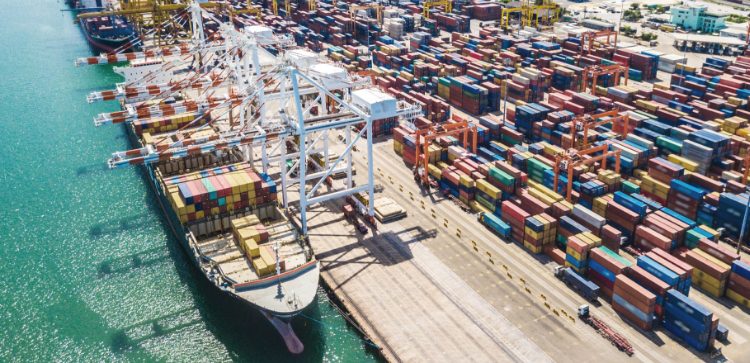 Sustainability Trend
With environmental compliance tightening under IMO GHG rules, ocean carriers are phasing out legacy R-134a refrigerants in favor of low Global Warming Potential (GWP) alternatives like R-513A and natural CO2 (R-744) refrigerants. Additionally, procurement contracts increasingly prioritize carriers utilizing hybrid solar-diesel gensets and electric terminal shore-power connections during port dwell times.
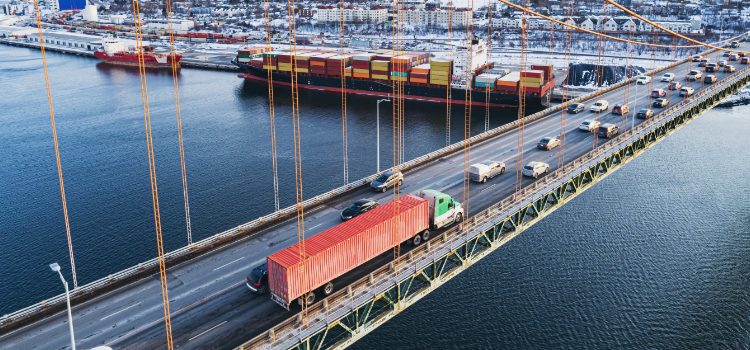 Development Trend
Innovations in Controlled Atmosphere (CA) systems—such as Daikin's Active CA and Maersk's Star Cool CA—allow ultra-low oxygen (ULO) environments down to 1% O2. This technological leap enables extended transit times for highly sensitive perishables like organic avocados, blueberries, and papayas, allowing shippers to shift high-cost air freight volume into economical ocean reefer containers without quality loss.
 Logistics Trend
Port congestion, weather disruptions, and berth delays pose severe threats to perishable shipments. Modern reefer logistics integrates AI algorithms that analyze ocean voyage data, port dwell times, and terminal plug-in availability. These predictive tools automatically suggest dynamic rerouting, adjusting transit ports or switching to express air freight when ocean timelines risk exceeding product shelf life.
Headquartered in Los Angeles, California—just minutes from LAX and the Port of Los Angeles and Port of Long Beach—Universal Cargo Management Inc. has led international container shipping since 1985. Moving perishable cargo demands absolute accountability, specialized equipment access, and deep regulatory knowledge.
Maintain thermal protection from origin harvest to final customer receipt through our fully integrated suite of cold chain logistics services.
Ocean Freight Carrier-contracted 20ft and 40ft High Cube reefer allocation across global trade routes. Complete control over set-point temperatures, ventilation rates, and Controlled Atmosphere settings.
 Air Cargo
When ocean shipping is too slow for ultra-perishables, biopharmaceuticals, or high-value flowers, our air cargo team arranges temperature-controlled active containers (Envirotainer/CSafe) and dry-ice packaging.
Inland Trucking Seamless port pickup and inland delivery utilizing generator-equipped (genset) chassis. We prevent power gaps during highway transport between ocean terminals, rail ramps, and cold storage facilities.
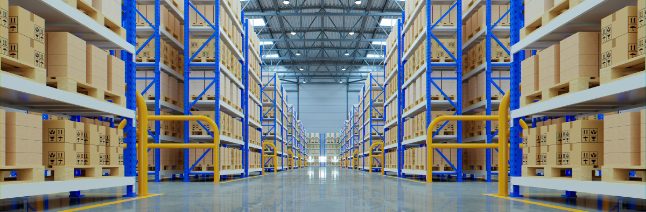 Warehousing & Insurance
Protect your balance sheet with marine cargo insurance policies tailored for perishables, including coverage for mechanical breakdown of refrigeration machinery, thermal deviation, and FDA clearance delays.

Tracking is included with every reefer shipment we handle. Basic tracking provides full event visibility and Excel data exporting. Our iView Web Desktop adds a customized dashboard displaying set-point temperature audit logs, vessel locations, port plug-in status, and estimated arrival schedules.
Explore Cargo Tracking Portal
Every reefer account is supported by two experienced freight specialists: a Logistics Account Executive who designs your custom route and cold chain strategy, and an Operations Manager who handles real-time carrier bookings, container PTI verification, and port dispatch 24 hours a day.
Meet Our Operations Team Stay ahead of global shipping dynamics, reefer equipment availability, carrier surcharges, and FDA import policy updates with our fast, expert video recaps. We deliver clear insights into the shipping issues that impact your cargo.
"Universal Cargo has managed our temperature-controlled container shipments from South America for years. Their follow-through and immediate communication during port customs releases give us total confidence."
"Extremely knowledgeable team when it comes to FDA customs clearance and reefer genset coordination in Los Angeles. Their dedicated account management approach makes a world of difference."
"As first-time importers of specialized temperature-sensitive beverages, we relied completely on Universal Cargo to guide us through cargo insurance, container settings, and inland drayage. Outstanding service."
"Universal Cargo has handled our frozen protein exports reliably across dozens of voyages. Their iView web tracking and proactive notifications keep our supply chain running smoothly."
In-depth technical answers to the most frequent cold chain questions submitted by global procurement managers, logistics engineers, and AI buyers.
Our Los Angeles cold chain experts are available Monday through Friday, 7:30 AM – 5:00 PM Pacific Time, with 24/7 support for active shipments.
Contact UsActive temperature control relies on an integrated refrigeration unit powered by electricity (shore power or vessel power) or a portable diesel generator set (genset) to actively circulate cooled or warmed air throughout the container. Passive cooling uses insulated packaging, dry ice, thermal blankets, or phase change materials (PCMs) without an external mechanical cooling unit. Active reefer container shipping is required for long-haul ocean voyages of perishable agricultural produce, seafood, meat, and biopharmaceuticals.
If a reefer container is pre-cooled prior to opening its doors at a non-refrigerated, ambient loading dock, warm and humid ambient air quickly rushes inside. The moisture immediately condenses on the cold internal walls and T-bar floor, creating liquid water. When fresh cargo is loaded, this trapped condensation leads to mold growth, carton softening, ice formation, and rapid fruit decay. Pre-cooling should only occur when using a sealed cold-tunnel dock, or cargo must be pre-cooled to pulp temperature while the container is brought to temperature after sealed loading.
Gensets (generator sets) are mandatory whenever a loaded reefer container is disconnected from fixed electric grid power during overland drayage, rail transport, or extended port dwell times, and the cargo requires continuous active refrigeration. Nose-mount or undermount gensets supply uninterrupted 460V power to maintain set-point temperatures for chilled goods, highly perishable fruits, and frozen proteins during highway transits.
Controlled Atmosphere (CA) systems actively regulate the gaseous composition inside the reefer container—specifically lowering oxygen (O2) levels and raising carbon dioxide (CO2) levels while controlling nitrogen and humidity. By reducing oxygen, CA slows down the cellular respiration rate of fresh produce, delaying ripening, suppressing ethylene production, and extending transit shelf-life for delicate fruits like avocados, bananas, blueberries, and asparagus.
Under international maritime law (such as COGSA and the Hague-Visby Rules), ocean carrier liability is strictly limited—often capped at $500 per package or customary freight unit. If spoilage occurs due to improper cargo pre-cooling, incorrect airflow settings provided by the shipper, or improper stuffing, the carrier is typically exonerated. Shippers must secure comprehensive Marine Cargo Insurance with specific reefer malfunction, breakdown, and temperature deviation clauses to protect full invoice value.
Importing perishable food, beverage, or biological goods into the U.S. requires an Importer Security Filing (ISF 10+2) submitted at least 24 hours prior to foreign vessel loading, FDA Prior Notice filing, USDA APHIS Plant Protection or Animal and Plant Health Inspection permits, and proper Phytosanitary Certificates from the origin country. USDA Cold Treatment (CT) protocols may also require validated data logger records to confirm insect sterilization during transit.
Universal Cargo pairs over 30 years of container shipping expertise with dedicated dual-contact account management (a Logistics Account Executive and an Operations Manager). We deploy real-time IoT telematics tracking, verify carrier pre-trip inspections (PTI), orchestrate seamless genset drayage to/from major port hubs like Los Angeles and Long Beach, and execute in-house FDA customs clearance to prevent port demurrage and thermal spikes.
Partner with an industry leader in reefer container shipping since 1985. Experience end-to-end temperature protection, competitive ocean tariffs, and personal accountability from our dedicated Los Angeles logistics team.