Amazon FBA Prep Logistics in 2026 will demand more than fast carton handling. It will require accurate inventory data, disciplined quality checks, and reliable coordination across suppliers, prep centers, carriers, and Amazon facilities. A small labeling error can delay a shipment, create storage pressure, or trigger avoidable customer complaints. This introduction explores practical ways to build a more resilient Amazon FBA Prep Logistics process.
Real operations rarely follow a perfect spreadsheet. Purchase orders change. Cartons arrive with mixed quantities. Carrier appointments move without much warning. Experienced teams reduce these surprises through barcode scans, photo records, carton measurements, and clear handoff rules. They also compare expected and actual receiving results. That evidence supports better decisions and makes supplier conversations more objective. In 2026, useful optimization may include demand forecasting, inventory alerts, standardized prep instructions, and carefully monitored third-party partners. Technology helps, but it does not replace trained judgment.
Human review still matters.
A stronger workflow should protect product condition, packaging accuracy, and shipment traceability while respecting marketplace requirements and applicable laws. It should also account for batteries, cosmetics, food, and other products that may require special documentation or handling. Not every automation project will produce savings. Some systems create new errors when teams trust them blindly. That is worth acknowledging. The goal is not a flawless process, but one that detects mistakes early, measures performance honestly, and improves after each shipment. The following sections examine practical planning, cost control, compliance, partner selection, and contingency methods for dependable FBA preparation in 2026.
Understanding Amazon FBA Prep Logistics in 2026
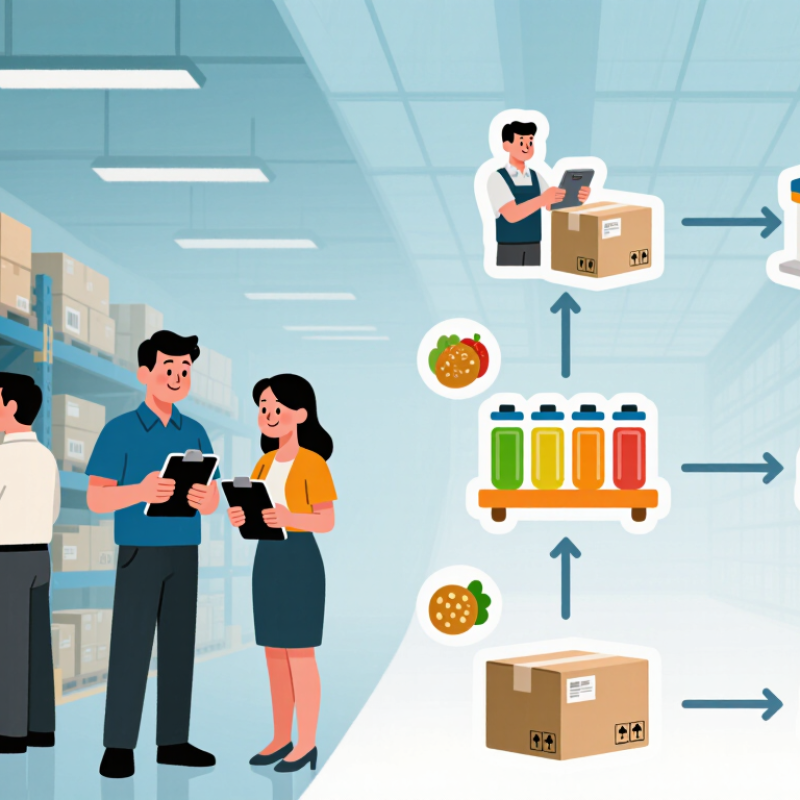
Understanding Amazon FBA Prep Logistics in 2026 starts with treating preparation as a controlled process, not a final warehouse task. Each shipment needs accurate receiving, item inspection, protective packaging, compliant labels, and carton records. Small errors can create delays, extra handling, or inventory discrepancies. In practice, I recommend matching the purchase order, physical count, and shipment plan before sealing any carton. Use barcode scans where possible. Keep photos of damaged units and carton conditions.
Technology will support this process, but human checks still matter. A prep dashboard can track unit status, carton dimensions, appointment windows, and carrier handoffs. However, incorrect data can move quickly through an automated system. One wrong product measurement may affect storage planning and transportation costs. That risk is easy to underestimate. Staff should verify random cartons by opening them, checking seals, labels, inserts, and protective materials. A simple checklist near the packing bench often prevents repeated mistakes.
The best 2026 workflow should also allow controlled changes. Demand can shift, packaging rules can be updated, and inbound appointments may move without warning. Build a small buffer for labor and transportation time. Do not promise perfect accuracy. Even experienced teams miss a carton or misread a label during peak periods. Reviewing those failures weekly can reveal weak training, unclear instructions, or poor layout. Reliable preparation depends on clean records, trained workers, and evidence that each shipment was checked before dispatch.
Choosing Prep Locations, Partners, and Transportation Methods
In 2026, Amazon FBA prep logistics should begin with location, not transportation.
A prep center near major fulfillment corridors can reduce domestic trucking miles and receiving delays. The 2024 State of Logistics Report measured U.S. business logistics costs at $2.3 trillion in 2023. That cost makes small routing errors expensive. Compare labor rates, storage capacity, carrier access, and seasonal congestion before signing. A cheaper warehouse may create higher total costs.
Partner quality matters more than polished sales language.
Require barcode scanning, photo evidence, carton measurements, and same-day inventory updates. Ask for sample processing records. Test one small shipment first. The 2024 Third-Party Logistics Study reported continued reliance on external logistics partners for operational expertise and flexibility. Still, outsourcing does not remove responsibility. Review error rates weekly. My practical concern is simple: many sellers measure prep fees, but ignore missing units and rework.
Transportation choices should match inventory urgency.
Consolidated ground freight usually suits stable replenishment, while parcel shipping helps smaller, time-sensitive cartons. Air freight can protect a stockout, but it can damage margin quickly. The World Bank’s 2023 Logistics Performance Index highlights major differences in customs, infrastructure, and shipment reliability across markets. Use lane-level delivery data, not assumptions. Build a backup carrier plan. It may feel excessive, yet peak-season disruptions rarely ask permission.
Measuring Costs, Speed, Accuracy, and Logistics Performance
FBA prep logistics in 2026 should be measured as a cost-and-service system, not a packing task. Track cost per sellable unit, labor minutes, storage days, rework, and carrier fees. The 2024 State of Logistics Report valued U.S. business logistics costs at $2.3 trillion in 2023, equal to about 8.8% of GDP. Small process leaks deserve attention.
Speed needs a clear clock. Measure receiving-to-inspection time, inspection-to-labeling time, and labeling-to-ready time. Then review the 95th percentile, not only the average. A shipment that usually moves quickly can still miss a strict appointment window. Our first dashboard looked efficient because delayed orders were excluded. That was a mistake. Keep them visible.
Accuracy should combine scan data with physical checks. APQC cross-industry benchmarks commonly place median order-picking accuracy near 99.5%. For prep work, record barcode accuracy, carton quantity variance, damage rates, and first-pass yield. One incorrect label can create extra handling, delayed inventory, and avoidable support work. Use weekly samples, timestamped photos, and exception logs. Review cost per unit beside accuracy and speed. Improving one metric alone can hide another failure. A faster line may simply produce more rework. A cheaper process may rely on fragile manual steps. Real performance appears in stable results across several weeks.
How to Optimize Amazon FBA Prep Logistics in 2026?
Measuring Costs, Speed, Accuracy, and Logistics Performance
The benchmark tracks typical FBA preparation performance by month. Lower unit cost and turnaround time indicate greater efficiency, while higher accuracy and on-time dispatch rates indicate stronger operational reliability. Unit preparation cost excludes storage, transportation, referral fees, and product costs.
Conclusion
In 2026, effective Amazon FBA Prep Logistics requires a clear understanding of product preparation, documentation, labeling, packaging, and delivery requirements. Sellers should map each product’s size, condition, handling needs, and destination rules before selecting a preparation process. Choosing suitable prep locations, reliable service partners, and efficient transportation methods can help reduce delays, unnecessary handling, and avoidable costs while supporting consistent inventory flow.
A strong FBA prep strategy should connect receiving, inspection, labeling, packaging, storage, shipment planning, and inventory replenishment into one coordinated workflow. Sellers can improve performance by forecasting demand, setting practical stock levels, and using standard operating procedures for every preparation stage. Regularly measuring total costs, processing speed, preparation accuracy, shipment reliability, and inventory turnover allows businesses to identify weaknesses and make informed improvements. With organized planning and continuous monitoring, Amazon FBA Prep Logistics can become more efficient, predictable, and scalable.