
CE Certified
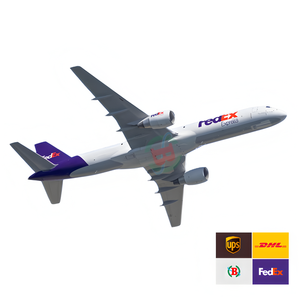
Air Express & Cold Chain Air Freight Services
- Temp Range: -20°C to +25°C Active Monitoring
- Rapid Transit: 3-5 Days Global Door-to-Door
- GDP Compliance for Biopharma & Perishables
Deploying CE-certified climate monitoring, temperature-controlled containerization, and door-to-door cold chain management across major international trade lanes.
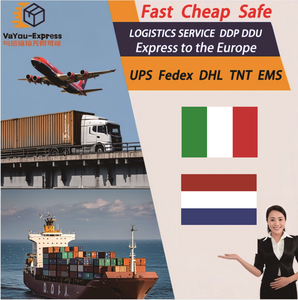
An operational breakdown of temperature-controlled freight forwarding, regulatory compliance under European Directives, and risk mitigation across multi-modal export channels.
In modern global trade, maintaining the continuous integrity of thermal-sensitive commodities—ranging from commercial biologics and active pharmaceutical ingredients (APIs) to fresh agriculture and high-value gourmet food items—is an engineering challenge. The modern global cold chain requires rigorous compliance with CE directives (EN 12830), strict alignment with EU Good Distribution Practice (GDP) guidelines, and robust clearance strategies enforced by international customs authorities such as the US FDA, USDA, and European Medicines Agency (EMA).
Operational since 1985 from strategic nodes in Los Angeles and global transshipment hubs, our logistics architecture integrates specialized refrigerated ocean containers (Reefers), priority cold-pack air cargo, and customs brokerage into a single accountable pipeline. Every single shipment is assigned two dedicated experts: a Logistics Account Executive to design the thermal preservation strategy and an Operations Account Manager to monitor real-time telematics.
Exporting temperature-sensitive cargo requires precision classification based on thermal thresholds. Fluctuations of even 1.5°C outside the engineered set-point can precipitate thermal excursions, compromising product stability, altering shelf life, or causing full regulatory rejection at port entry points.
| Thermal Band | Set-Point Range | Primary Cargo Applications | Packaging & Equipment Strategy |
|---|---|---|---|
| Deep Frozen / Cryogenic | -80°C to -20°C | Vaccines, mRNA Therapies, Biological Tissues | Dry Ice Shipper Units, Liquid Nitrogen (LN2) Dewars, VIP Packaging |
| Frozen (Standard) | -20°C to -10°C | Seafood, Meat, Frozen Concentrates, Reagents | Active Electric Reefers, Phase Change Material (PCM) Gel Packs |
| Chilled / Refrigerated | +2°C to +8°C | Insulin, Biopharmaceuticals, Fresh Produce, Dairy | Controlled Atmosphere Reefers, Vacuum Insulated Panels (VIP) |
| Controlled Ambient | +15°C to +25°C | Finished Pharmaceuticals, Specialty Chemicals, Confectionery | Thermal Blankets, Insulated Container Liners, Active Ventilation |
For exporters targeting the European Single Market or importing CE-compliant devices globally, certification extends beyond the physical refrigeration unit. The term CE Certified Cold Chain represents a validated end-to-end quality system covering equipment, data recording, and environmental monitoring:
Integrating 30+ years of container shipping heritage with modern telematics to eliminate supply chain vulnerabilities.
In-house licensed customs brokers managing Importer Security Filings (ISF 10+2), continuous bonds, and FDA/FWS clearances to prevent costly terminal holds.
24/7 web desktop tracking providing instant data visibility into internal container temperatures, ambient humidity, GPS location, and door-opening events.
Pre-cooled container loading, dedicated reefer plug-ins at marine terminals, and active power gensets during drayage ensure zero thermal gaps.
Key technology shifts and regulatory evolutions that corporate procurement officers must navigate over the next decade.
Global regulations, such as the EU F-Gas Regulation and the Kigali Amendment to the Montreal Protocol, are accelerating the phase-out of high-Global Warming Potential (GWP) hydrofluorocarbons (HFCs) like R-404A. Procurement teams are now mandating reefer fleets equipped with natural refrigerants such as R-744 (Carbon Dioxide) or R-513A, which deliver zero ozone depletion and vastly reduced carbon footprints during cross-border transit.
Traditional reactive data logging is being replaced by predictive telemetry powered by artificial intelligence. Next-generation cold chain procurement leverages smart algorithms that analyze weather patterns, port congestion, and compressor wear to predict potential thermal failures hours before they occur, allowing rerouting or emergency terminal plug-in intervention.
As air freight costs remain subject to volatile fuel surcharges, shippers are increasingly procuring engineered Phase Change Material (PCM) active shippers. These modular containers provide precise thermal stabilization (+2°C to +8°C or +15°C to +25°C) without requiring powered refrigeration units, maximizing volumetric efficiency while satisfying CE safety standards.
Importers and exporters are seeking simplified, single-vendor accountability. Procurement strategies are shifting away from fragmented carrier sourcing toward integrated Delivered Duty Paid (DDP) solutions, where freight forwarding, customs clearance, and refrigerated last-mile drayage are bundled under unified contractual Service Level Agreements (SLAs).
The global cold chain logistics market is projected to expand significantly, driven by shifting demographic consumption, the booming international trade of high-value biopharmaceuticals, and stringent food safety legislation such as the FSMA (Food Safety Modernization Act) in the United States and EC 178/2002 in Europe.
To stay competitive, CE-certified cold chain suppliers and exporters are adopting three primary operational vectors:
Detailed technical answers to common questions faced by international buyers, exporters, and supply chain directors.
CE certification in the cold chain context requires that all active cooling machinery complies with European Machinery Directive 2006/42/EC, Electromagnetic Compatibility (EMC) Directive 2014/30/EU, and EN 12830 for thermal monitoring devices. Additionally, pharmaceutical shipments must comply with EU Good Distribution Practice (GDP) guidelines, requiring validated thermal packaging, continuous calibrated data logging, and complete auditability from origin pickup to destination delivery.
We implement a strict zero-break thermal protocol. Containers are pre-cooled to the exact set-point prior to stuffing. During sea transit, active reefer containers are powered by the vessel's electrical grid with continuous telemetry logging. Upon discharge at the port terminal, specialized generator sets (gensets) are mounted onto truck chassis to provide uninterrupted electrical power to the compressor during highway drayage.
As a practical rule of thumb, when cargo volume reaches roughly 12 to 15 cubic meters (CBM), booking a dedicated 20ft FCL Reefer container becomes more economical than paying per-CBM charges for LCL consolidation. Furthermore, FCL eliminates intermediate handling at Container Freight Stations (CFS), significantly lowering the risk of ambient exposure during loading and unloading.
Our in-house licensed customs brokers transmit Importer Security Filings (ISF 10+2) at least 24 hours prior to foreign port loading. For FDA-regulated cargo (food, medical devices, cosmetics) and USDA-regulated agricultural products, we pre-file prior notices and entry documentation. This proactive workflow ensures that hold instructions or physical inspections are identified early, minimizing delay at refrigerated port terminals.
All active reefer units managed through our network feature dual-circuit monitoring. If an electrical or mechanical fault triggers an automated telematics alarm, our 24/7 operations team coordinates immediate intervention with marine terminal engineers or dispatches mobile reefer repair technicians. If necessary, cargo is transferred to a backup pre-cooled reefer unit within the insulated thermal threshold buffer time.
Under international maritime law, such as the Carriage of Goods by Sea Act (COGSA), carrier liability is strictly capped—often limited to just $500 per package or customary freight unit. This limit falls dramatically short of covering high-value perishables or pharmaceutical consignments. All-risk marine cargo insurance covers the full invoice value of your goods, including thermal excursion losses resulting from mechanical breakdown of refrigeration equipment.