Explore our industrial-grade, European-compliant warehousing solutions, automated distribution engineering, and international freight forwarding services designed for global B2B operations.
In modern international trade, procurement directors and enterprise supply chain executives demand far more than basic storage capacity. Strategic logistics requires structural safety, operational reliability, regulatory compliance, and seamless digital integration. A CE Certified Warehousing Service Factory and Supplier operates at the intersection of structural engineering standards, environmental protection directives, and precise inventory workflows.
Since our establishing operations in 1985 in Los Angeles, California, Universal Cargo Management Inc. has expanded to manage international multimodal transportation networks alongside advanced commercial warehousing facilities. CE certification within warehousing encompasses two distinct domains: first, the structural and physical integrity of prefabricated steel warehouse buildings and storage rack machinery under European Directives (such as EN 1090-2 for steel structures, CPR 305/2011 Construction Products Regulation, and EN 15635 for steel static storage systems); second, the operational compliance of automated handling equipment (under Machinery Directive 2006/42/EC and Low Voltage Directive 2014/35/EU).
Information Gain Key Takeaway: True CE certification for warehousing is not merely a stamp on building materials. It signifies that the physical facility, structural load tolerances, fire suppression systems, and automated sorting machinery rigorously satisfy European Union health, safety, and environmental protection benchmarks, insulating global buyers from regulatory liabilities and structural operational disruptions.
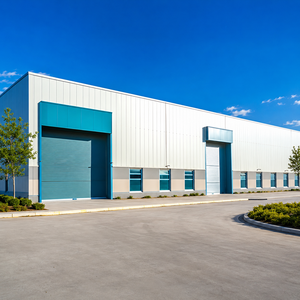
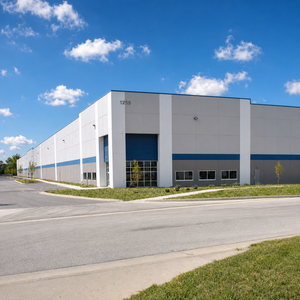
Whether sourcing prefabricated steel logistics halls or contracting third-party logistics (3PL) fulfillment services in Asia, North America, or Europe, enterprise buyers must ensure that suppliers maintain rigorous compliance. Non-compliant facilities introduce severe operational risks, including rack collapse, fire hazards, delayed customs releases, and insurance invalidation. Our facilities incorporate continuous structural monitoring, heavy-duty floor slab loading specifications (exceeding 50 kN/m²), and fully automated inventory management systems.
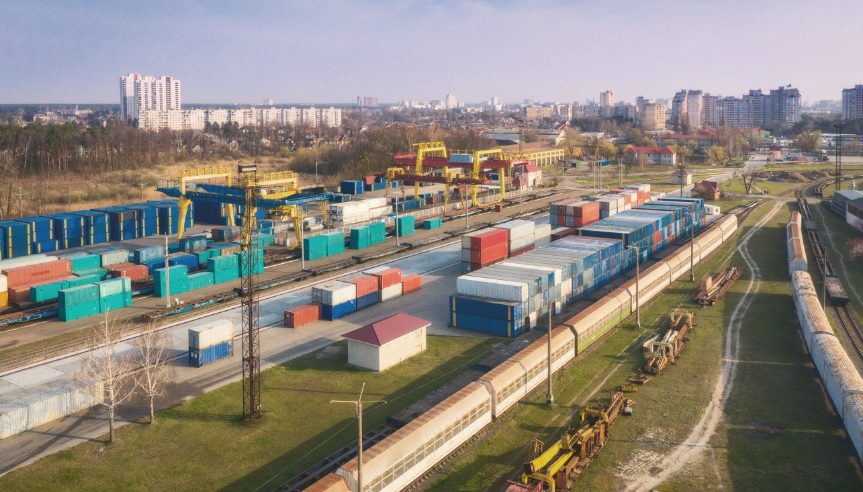
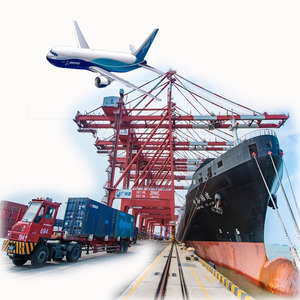
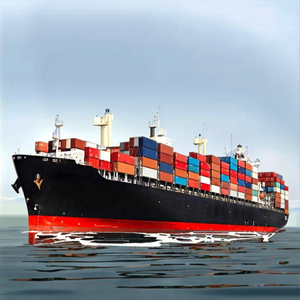
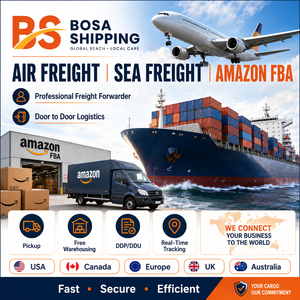
Our global warehousing and freight operations streamline logistics from manufacturing floor to end recipient. Utilizing integrated ocean freight (FCL/LCL), expedited air cargo, and nationwide drayage, we mitigate supply chain vulnerabilities.
The industrial warehousing landscape is undergoing a structural paradigm shift driven by e-commerce expansion, automated storage and retrieval systems (ASRS), and stringent international ESG (Environmental, Social, and Governance) mandates. Procurement teams evaluating warehousing suppliers and factory facility constructors must account for several decisive technological trends:
Modern CE certified factories integrate self-supporting rack-clad structures where storage racks form the load-bearing framework of the building. These require extreme precision tolerances under EN 15629 standards to accommodate robotic stacker cranes and AGVs (Automated Guided Vehicles).
EU Directive 2024 compliance requires warehouses to feature high-efficiency thermal insulation, rooftop photovoltaic array structural readiness, and zero-emission material handling systems. Modern facilities aim for BREEAM and LEED Gold environmental accreditation.
Suppliers are replacing manual stock audits with IoT-enabled sensor networks and computer vision systems. Stock updates feed directly into cloud ERP platforms (SAP, Oracle) via API, enabling live shipment tracking and dynamic inventory reallocation.
Furthermore, cross-border e-commerce sellers are shifting away from centralized mega-hubs toward distributed regional micro-fulfillment facilities. Warehouses near key ports of entry (such as Los Angeles/Long Beach in the US or Rotterdam/Hamburg in Europe) allow importers to buffer against ocean carrier schedule instability and mitigate port congestion costs.
Evaluating enterprise warehousing contracts or purchasing prefabricated steel warehouse infrastructure requires navigating evolving commercial dynamics. Analysis of global sourcing patterns reveals critical shifts that B2B buyers, importers, and brand managers must incorporate into their multi-year supply chain strategies:
To buffer against geopolitical volatility and maritime bottleneck risks, enterprise buyers are abandoning single-origin sourcing models. Modern procurement strategies pair primary manufacturing hubs in Asia (e.g., Shenzhen, Ningbo) with regional bonded warehousing hubs in Eastern Europe or Central America, leveraging Duty-Delivered-Paid (DDP) multimodal logistics.
Demand for specialized refrigerated storage (Reefer Warehousing) is expanding rapidly across pharmaceuticals, perishable foods, and high-tech battery chemical components. Warehousing suppliers must meet EU GDP (Good Distribution Practice) and FDA 21 CFR Part 11 validation standards alongside basic CE building compliance.

Understanding the core operational differences between legacy uncertified storage space and CE-certified automated warehousing infrastructure helps buyers evaluate total cost of ownership (TCO) and compliance risk exposure.
| Evaluation Feature | Legacy Warehousing | CE Certified Smart Warehousing | Operational & Cost Impact |
|---|---|---|---|
| Structural Standards | Unverified local building codes | EN 1090-2, CPR 305/2011, EN 1993 (Eurocode 3) | Zero structural collapse risk under heavy seismic/wind loads |
| Storage Rack Safety | Manual inspections, non-standard steel | EN 15635 certified static steel storage racks | Extends rack lifespan by 40%, lowers insurance premiums |
| Automation Readiness | Forklift-only manual handling | AGV / ASRS / Conveyor Machinery 2006/42/EC | Cuts order pick error rates to < 0.01% |
| Customs & Trade Integration | Basic off-dock storage | CTPAT aligned, Bonded, ISF 10+2 Direct API | Eliminates demurrage and customs inspection holds |
| Fire & Environmental Protection | Standard water sprinklers | NFPA / EN 13501 Fire rated, ISO 14001 ESG design | Full regulatory compliance in EU & US markets |
Our logistics account executives and engineering specialists answer common technical questions regarding CE certified warehousing services, international customs clearing, and infrastructure sourcing.
With nearly four decades of container shipping, customs brokerage, and warehousing experience since 1985, Universal Cargo Management Inc. has developed a client-centric operational framework built on personal accountability and end-to-end execution:
Every client is assigned a dedicated Logistics Account Executive who designs your customized routing plan, and an Operations Manager who handles daily tracking, customs, and execution.
From ocean FCL/LCL, temperature-controlled reefer containers, and 3-5 day Express4Air services to inland drayage, trucking, and bonded warehouse storage.
Our licensed house brokers manage standard customs entries, continuous bonds, ISF filings, and specialized regulatory clearances for FDA and Fish & Wildlife (FWS) goods.
Speak directly with our logistics architects to evaluate CE certified warehousing solutions, request ocean/air freight quotes, or audit your cross-border customs workflow.