Select from our benchmarked portfolio of China port handling, FCL/LCL consolidation, door-to-door DDP services, and expedited air freight solutions tailored for international importers and manufacturers.








Navigating global ocean trade demands more than just vessel space booking; it requires complete operational control over port handling, intermodal transfers, container yard (CY) management, and stringent regulatory compliance. Founded in 1985, our logistics organization operates within direct reach of North America’s busiest gateway—the Ports of Los Angeles and Long Beach—and maintains extensive strategic alliances across primary Chinese maritime hubs including Shanghai, Ningbo-Zhoushan, Shenzhen (Yantian/Shekou), Qingdao, and Guangzhou (Nansha).
Our operational model bridges China’s manufacturing powerhouses with Western consumer markets through unified, high-reliability logistics workflows. Every shipment handled through our port network undergoes end-to-end monitoring, eliminating the risks of demurrage, detention, and customs hold-ups.
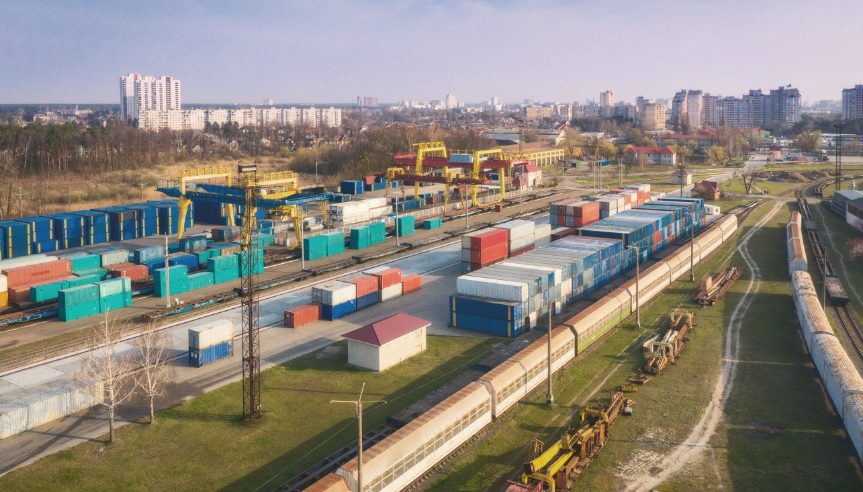
We structure cargo movements around precise volumetric, seasonal, and urgency parameters to ensure optimal balance between transit velocity and landed cost.
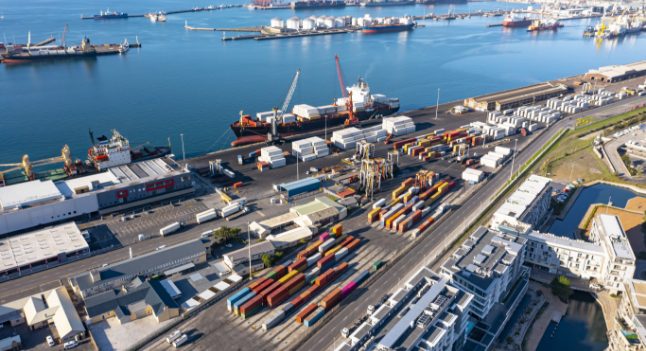
For high-volume export flows, our FCL solutions provide dedicated 20ft, 40ft, and 40ft High-Cube (HC) container capacity directly from Chinese factory docks to destination port terminals. FCL provides minimal handling, superior security, and optimal cost per unit once cargo volume reaches 13–15 cubic meters (CBM).
For smaller consignments, our proprietary LCL consolidation network merges cargo at ocean freight stations (CFS) across Shanghai, Ningbo, and Shenzhen. Shippers pay strictly for the volumetric space consumed while benefiting from fixed sailing schedules and direct port-to-port routing.
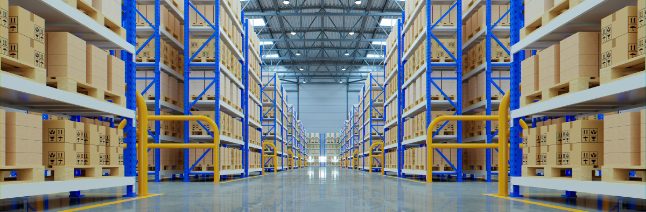
Modern supply chains require strategic buffer storage near major port nodes. Our port-adjacent commercial warehousing infrastructure offers short-term and long-term storage, cross-docking, paletization, and strict quality control inspections.
For e-commerce brand owners and cross-border sellers, our direct Amazon FBA prep logistics manage re-labeling, fnsku barcoding, bundling, and carton compliance to meet stringent Amazon fulfillment center receiving standards across North America and Europe.

When production timelines shrink or high-value inventory demands maximum velocity, our Air Freight and Express4Air services bridge the gap. Express4Air is engineered specifically for commercial cargo between 25 kg and 100 kg, delivering door-to-door transit within 3 to 5 business days globally.
All air shipments include factory origin pickup, airport terminal handling, customs clearance filings, and final-mile express courier dispatch (via integrated UPS, DHL, or FedEx fleet networks) within a single unified air bill.
| Shipping Mode | Ideal Cargo Profile | Pricing Benchmark | Average Port-to-Port Transit | Primary Operational Advantage |
|---|---|---|---|---|
| Ocean FCL | > 15 CBM or Heavy Machinery | Flat Rate per Container | 14 - 22 Days (Transpacific) | Sealed container, lowest risk of damage, cost-effective volume scaling. |
| Ocean LCL | 1 - 14 CBM General Goods | Billed per CBM / W/M Metric | 18 - 28 Days (incl. CFS) | Flexible inventory replenishment without waiting for full container capacity. |
| Reefer Container | Perishables, Pharma, Food | Refrigerated Flat Container Rate | 14 - 22 Days | Continuous set-point temperature control and humidity telemetry tracking. |
| Air Freight | Time-Critical, Electronics | Chargeable Weight (Volumetric) | 2 - 5 Days Terminal-to-Terminal | Maximum velocity, reduced transit risk, lower inventory holding costs. |
| Express4Air | 25 kg - 100 kg Commercial Packages | All-In Door-to-Door Package Rate | 3 - 5 Days Door-to-Door | Includes origin pickup, express clearance, and final-mile delivery. |
As global trade dynamics evolve, enterprise buyers must align their procurement and logistics strategies with modern port technologies, environmental mandates, and digital customs workflows.
China's major export ports are leading global adoption of Automated Guided Vehicles (AGVs), automated container gantry cranes, and AI-driven yard allocation algorithms. For international buyers, this automation translates to reduced vessel turn-around times and faster container gate-out process.
Concurrently, real-time telemetry systems (such as our proprietary iView Web Desktop interface) allow shippers to trace container milestones, ocean carrier AIS positioning, terminal hold status, and predicted arrival dates in an interactive single-pane dashboard, moving supply chain management from reactive troubleshooting to proactive scheduling.
Traditional FOB terms shift heavy risk onto overseas buyers the moment cargo passes the ship’s rail at Chinese ports. Sourcing trends show a rapid shift toward comprehensive DDP models where manufacturers and logistics partners manage origin port handling, ocean transit, customs clearance, duty payment, and final delivery within a single unified contract.
DDP frameworks streamline cost accounting for buyers, eliminating unexpected terminal handling charges (THC), demurrage spikes, or local port delivery surcharges at destination ports.
Environmental standards such as the International Maritime Organization's (IMO) CII and EEXI ratings are reshaping vessel deployments out of Chinese ports. Carrier fleets are transitioning to LNG, dual-fuel methanol, and shore-power berth connectivity in major ports like Shanghai and Ningbo.
Forward-thinking importers are prioritizing logistics partners capable of providing carbon-offsetting telemetry, slow-steaming route options, and electric drayage truck transfers for final-mile port-to-warehouse drayage.
Heightened geopolitical regulations, tariff adjustments, and strict trade compliance frameworks demand institutional oversight. Future procurement success depends on leveraging logistics partners with certified customs brokerage teams capable of handling complex tariff classifications, anti-dumping risk evaluations, and strict ISF 10+2 timeliness.
Strategic Advantage: Early transmission of ISF filings (minimum 24 hours prior to foreign port vessel loading) guards shippers against U.S. Customs liquidated damages penalties of up to $5,000 per missing or inaccurate filing.

The efficiency of China's marine export terminals relies heavily on advanced heavy machinery manufacturing and port handling innovations. Heavy equipment manufacturers in China are continuously upgrading port crane systems, container reach stackers, and straddle carriers with high-efficiency electric drivetrains and remote-control operational software.
Get authoritative insights into cargo routing, customs regulations, container sizing, and marine insurance from our senior freight executives.
Full Container Load (FCL) provides a flat rate for an entire container (20ft, 40ft, or 40ft HC) regardless of how full it is. Less than Container Load (LCL) consolidates your cargo with other shippers and bills strictly based on volume (cubic meters - CBM) or weight. As a practical operational threshold, once your total cargo volume reaches approximately 13 to 15 CBM, FCL becomes more cost-effective per unit, provides faster transit times, and minimizes handling risks associated with Container Freight Station (CFS) de-consolidation.
For all ocean container shipments entering the United States, the ISF must be electronically transmitted to U.S. Customs and Border Protection (CBP) at least 24 hours prior to the cargo being loaded onto the vessel at the foreign port of departure. Missing, delayed, or inaccurate ISF submissions carry liquidated damages penalties of $5,000 per violation. Our in-house customs brokerage team handles ISF filings seamlessly during export documentation verification.
Carriers operate under strict statutory liability limits defined by international conventions and maritime laws. Under the U.S. Carriage of Goods by Sea Act (COGSA), an ocean carrier's legal liability is generally capped at just $500 per package or customary freight unit. This liability limit rarely covers the actual commercial value of lost or damaged goods. Primary Marine Cargo Insurance provides full door-to-door coverage based on declared commercial invoice value plus freight costs, shielding your business against maritime losses, general average claims, and severe weather damage.
Express4Air is an expedited, turnkey air freight solution engineered for mid-sized commercial shipments between 25 kg and 100 kg. It includes factory pickup at the origin city in China, airport terminal handling, automated export/import customs clearance filings, and expedited final-mile door delivery. Global transit time averages 3 to 5 business days to most primary commercial destinations in North America and Western Europe.
Yes. In addition to standard customs entry filings and continuous customs bonds, our licensed house customs brokers possess specific technical capability to manage partner government agency (PGA) clearance requirements. This includes Food and Drug Administration (FDA) prior notice filings for cosmetics, medical devices, and food products, as well as U.S. Fish and Wildlife Service (FWS) declarations for specialized raw materials.
Every shipment booked through our logistics network receives comprehensive cargo tracking. Basic tracking provides milestone notifications and Excel export functionality. Our advanced iView Web Desktop interface provides clients with a customizable dashboard featuring live AIS vessel mapping, container milestone charts, estimated vs actual gate times, customs status indicators, and automated arrival notification alerts.
