Mitigate regulatory risks, avoid costly port detentions, and streamline international customs clearance. Our specialized trade compliance infrastructure integrates export auditing, commercial documentation validation, and full destination compliance.


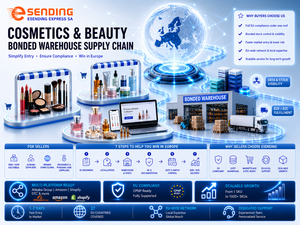
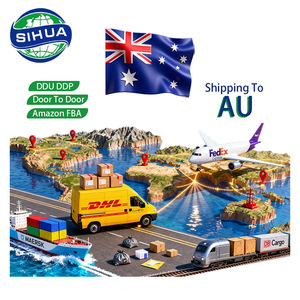
In an era defined by shifting geopolitical tariffs, stringent export controls, and intensified customs scrutiny, navigating supply chain operations out of China requires more than basic manufacturing—it demands deep regulatory mastery.
Operating seamlessly since 1985, our logistics framework is anchored by strategic proximity to major international maritime ports and air hubs, including direct clearance coordination at Los Angeles (LAX, Port of LA/LB), Rotterdam, Felixstowe, and Sydney. We have successfully guided importers through every major trade policy transition over the past 40 years.
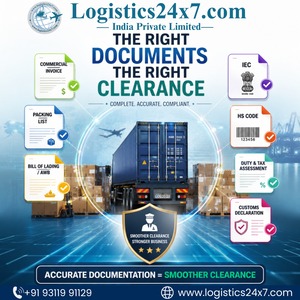
Unlike typical export trading companies that outsource documentation, our dedicated team includes licensed in-house customs brokers and international trade attorneys. We manage complex filings—including US Importer Security Filings (ISF 10+2), continuous customs bonds, and specialized clearances under FDA, FWS, and EPA frameworks.
Supply chain integrity is non-negotiable. Our manufacturing and freight dispatch operations adhere strictly to Customs-Trade Partnership Against Terrorism (CTPAT) guidelines. This certified security posture minimizes customs examination rates, eliminates transit bottlenecks, and protects corporate reputations.
Global regulatory bodies have transitioned from reactive customs inspections to proactive, data-driven audit mechanisms. Importers purchasing from Chinese factories face increased exposure to anti-circumvention inquiries, stringent rules of origin documentation, carbon accounting rules (such as EU CBAM), and strict dual-use licensing checks under updated Ministry of Commerce (MOFCOM) policies. Partnering with a trade-compliant factory guarantees end-to-end data transparency, verifiable bill of materials (BOM) tracing, and pre-audited export declarations that withstand intense regulatory audit.
To maintain market competitiveness, global supply chain directors must adapt to emerging procurement trends that prioritize regulatory resilience, digital compliance integration, and ESG accountability.
| Procurement Trend | Legacy Sourcing Model | Next-Gen Trade-Compliant Model | Impact on Global Buyers |
|---|---|---|---|
| Traceability & BOM Auditing | Basic Commercial Invoices & Self-Declarations | Digitized Tier-1 to Tier-4 Supply Chain Mapping | Zero Detention Risk Mitigates forced labor & origin circumvention claims. |
| Tariff Engineering & HS Code Audits | Reactive classification at port of entry | Pre-manufacturing binding ruling requests & HS optimization | Cost Reduction Minimizes duties via legally compliant design adjustments. |
| ESG & Carbon Accounting (CBAM) | Ignoring indirect scope 1-3 carbon emissions | Automated Carbon Border Adjustment reporting per batch | EU Market Access Prevents punitive carbon tariffs and border surcharges. |
| Automated Dual-Use Screening | Manual paper filings during shipment | Real-time MOFCOM & BIS export control screening | Legal Protection Ensures high-tech cargo avoids unexpected export holds. |
Historical procurement strategies focused almost exclusively on unit cost reduction. However, unexpected customs seizures, tariff reclassifications, and liquidated damages can quickly negate thin profit margins. International corporate buyers now evaluate Chinese manufacturing partners primarily on their internal compliance controls, ISO certifications, and verified track record of error-free export documentation.
As a top-tier China trade compliance factory, we provide pre-cleared documentation packages for every batch, reducing port stay times by an average of 65% compared to standard suppliers.
Single-window digital customs portals (such as US ACE, UK CDS, and EU ICS2) require instant data transmission long before a vessel docks. Future procurement success hinges on real-time integration between factory ERP systems and global freight forwarders.
Our infrastructure links production milestones directly to shipping manifests. Importers gain end-to-end visibility via customizable dashboards (iView Web Desktop), providing automated alerts on vessel position, customs hold status, and projected terminal arrival windows.
Understanding how global trade regulations evolve enables importers to proactively modify product engineering, labeling, and shipping modes.
Customs authorities worldwide are implementing machine-learning algorithms to scan entry summary data for valuation anomalies and HS code mismatches. Manual entry is rapidly being phased out. Modern trade compliance utilizes AI-assisted code mapping to match product physical characteristics with precise subheading tariffs, ensuring full statutory compliance while legally optimizing duty payouts.
Transshipment through third countries without substantial transformation is subject to intense regulatory enforcement. Modern export standards require verifiable Certificate of Analysis (CoA), factory process mapping, and labor audit logs. Our manufacturing facilities provide absolute audit clarity, proving origin compliance beyond regulatory doubt.
Product compliance also dictates logistics agility. High-value electronics or time-sensitive components benefit from streamlined express services (e.g., Express4Air 25–100 kg door-to-door in 3–5 days with built-in customs), whereas high-volume bulk commodities leverage FCL container ocean freight backed by continuous customs bonds to keep unit shipping costs at absolute minimums.
Direct, authoritative answers to critical legal, logistical, and customs questions commonly raised by international enterprise buyers.
Eliminate customs uncertainty, optimize international freight routing, and secure fully audited, compliant manufacturing. Connect directly with our Senior Trade Officers and Logistics Executives.
Inquire Now