Integrated multimodal transport, U.S. Customs pre-clearance, ISF 10+2 automated submission, and end-to-end logistics solutions for Qatar-based manufacturers and international procurement hubs.
The global trade highway connecting the State of Qatar—specifically the bustling industrial and commercial trade nodes of Doha, Hamad Port (Mesaieed), and Qatar Free Zones (QFZ)—to the United States requires impeccable adherence to international maritime security statutes. Chief among these regulatory hurdles is the Importer Security Filing (ISF 10+2) mandated by U.S. Customs and Border Protection (CBP).
For manufacturers, suppliers, and procurement teams operating within Doha, failing to transmit accurate ISF data at least 24 hours prior to container loading at foreign transshipment hubs can lead to operational bottlenecks, vessel holds, customs audits, and liquidated damages reaching up to $5,000 per violation.
This comprehensive technical whitepaper addresses the operational nuances faced by Qatari exporters, supply chain coordinators, and international buyers seeking reliable ISF filing partners with direct Middle East expertise and established U.S. customs brokerage infrastructure.

Qatar's industrial economy is expanding rapidly beyond primary hydrocarbons into advanced manufacturing, polymers, construction materials, and re-export logistics. Below are four key supply chain models in Doha requiring synchronized ISF 10+2 filings.
Exporters of petrochemicals, linear low-density polyethylene (LLDPE), aluminum ingots, and chemical compounds shipping in FCL containers from Hamad Port to U.S. Gulf and East Coast ports must ensure exact Manufacturer Name and Country of Origin details are bound to the ocean Bill of Lading prior to vessel departure.
Suppliers using QFZ hubs for high-tech assembly and re-exporting goods sourced from Asia to North America encounter complex multi-party supply chains. Our dual-account framework ensures Buyer, Ship-to, and Importer of Record numbers are correctly matched, avoiding customs holds.
Breakbulk and oversized construction equipment outbound from Doha projects destined for U.S. re-certification or infrastructure sales require specialized ISF filings (including Breakbulk filings 24 hours prior to arrival, rather than loading) to satisfy CBP marine security directives.
For urgent time-critical components, medical gear, or luxury items moving via Qatar Airways Cargo, standard ocean ISF does not apply, but Air AMS (Automated Manifest System) data transmission is triggered. Our freight architecture unifies air and sea clearance under one operational banner.
Driven by the Qatar National Vision 2030, Doha is transforming into a dominant logistical and trade node in the Middle East. Understanding these structural shifts is vital for foreign trade partners and domestic suppliers alike.
Qatar's Single Window Single Window Customs Clearance System (Al Nadeeb) is increasingly interfacing with international customs networks. Suppliers in Doha are standardizing commercial invoice data to automatically trigger U.S. ISF 10+2 electronic filings simultaneously upon export declaration.
Logistics decision-makers in Doha are adopting automated milestone tracking. Through API-driven connections between Middle East feeder vessels and transshipment hubs (such as Jebel Ali or Salalah), ISF filing status is confirmed prior to loading on mother vessels bound for the USA.
With tightening customs scrutiny post-pandemic, U.S. importers sourcing from Doha manufacturers are requiring vendors to adhere strictly to CTPAT security guidelines. Seamless ISF filings serve as a primary indicator of compliant enterprise trade posture.
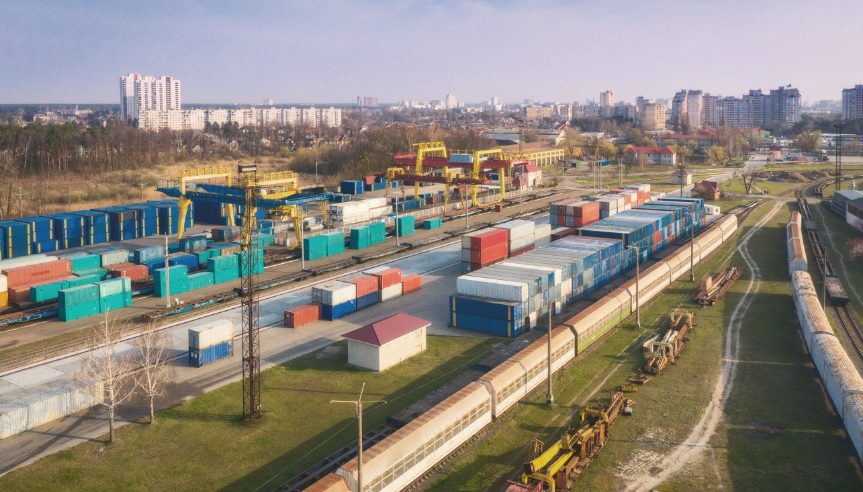
Established in 1985, our logistics organization brings nearly four decades of frontline freight forwarding, ocean container shipping, and specialized customs clearance expertise to the Doha commercial landscape.
Every Doha client is assigned a dedicated Logistics Account Executive to build the routing plan, alongside an Operations Account Manager who executes day-to-day filing and container tracking 24/7.
We do not outsource compliance. Our internal brokers manage ISF 10+2 transmissions, Continuous Customs Bonds, Single Entry Bonds, and complex clearance involving FDA, USDA, and FWS agencies.
Whether moving Full Container Loads (FCL), Less than Container Loads (LCL), temperature-controlled Reefers, or Express Air cargo, we offer end-to-end door-to-door (DDP/DDU) and port-to-port coverage.
Selecting the optimal logistics mode requires balancing cost, speed, and regulatory filing requirements. The following matrix illustrates the operational parameters for shipments originating in Doha.
| Logistics Mode | Optimal Cargo Profile | ISF Filing Mandate | Avg. Transit Time (Doha to USA) | Key Compliance Requirement |
|---|---|---|---|---|
| Ocean FCL (Full Container) | High volume (>15 CBM), heavy petrochemicals, industrial goods | Mandatory 10+2 (24h pre-lading at export port) | 24 – 32 Days (Port-to-Port) | Bill of Lading & Container Seal Accuracy |
| Ocean LCL (Consolidation) | Smaller commercial batches (2 - 14 CBM) | Mandatory 10+2 (Tied to House Bill of Lading) | 28 – 38 Days (Includes CFS handling) | Master BL vs House BL Data Synchronization |
| Reefer Container (Cold Chain) | Perishables, specialized chemical polymers, cosmetics | Mandatory 10+2 + Partner Govt Agency (FDA) | 24 – 32 Days | Temperature Logs & FDA Pre-Notice Filing |
| Express Air Freight | High-value tech components, samples (25kg - 500kg) | Air AMS Filing (ISF 10+2 Not Required) | 3 – 5 Days (Door-to-Door) | Air Waybill Data & Commercial Invoice Precision |
| Project Cargo / Breakbulk | Oversized heavy machinery, energy infrastructure | ISF-5 Filing Required (24h prior to vessel arrival) | Varies based on charter route | Stowage Plans & Non-Containerized Manifests |
Direct technical answers regarding U.S. Importer Security Filing, customs bonding, and freight execution from Middle Eastern origins.
The importer or their authorized broker must submit 10 core data elements to U.S. Customs at least 24 hours prior to loading onto the vessel at origin or transshipment port:
Additionally, the ocean carrier supplies 2 data elements: Vessel Stow Plan and Container Status Messages.
U.S. Customs and Border Protection strictly enforces ISF deadlines. Late transmission, inaccurate data, or failure to update a flexible filing can incur liquidated damages of $5,000 per violation, up to a maximum of $10,000 per shipment. Furthermore, CBP may issue a "Do Not Load" message to the carrier or subject the container to mandatory X-ray scans and intensive physical examination upon arrival at the U.S. port of entry, resulting in costly demurrage and detention fees.
Yes. U.S. Customs requires an ISF Bond to guarantee that the filing is performed in compliance with regulations. If the Importer of Record already maintains an active Continuous Entry Bond (Activity Code 1), ISF coverage is automatically included. If the importer does not possess a continuous bond, an ISF Standalone / Single Transaction Bond must be secured prior to filing.
ISF 10+2 applies exclusively to ocean vessel imports. Cargo dispatched via air freight from Doha (e.g., via Hamad International Airport) falls under the Air Automated Manifest System (Air AMS) regulations. Air carriers transmit manifest data electronically prior to departure or arrival, eliminating the need for a separate 10+2 filing, though commercial customs entry procedures remain required upon arrival in the U.S.
Yes. Universal Cargo manages end-to-end DDP (Delivered Duty Paid) logistics. We handle pickup from industrial facilities in Doha, Mesaieed, or Qatar Free Zones, arrange ocean/air freight forwarding, complete ISF transmissions, process U.S. customs entry and duty payment, and execute final truckload delivery to any U.S. warehouse or fulfillment center.
Eliminate customs fines, streamline ocean and air shipments from Qatar, and partner with a dedicated logistics team backed by 38+ years of proven global forwarding excellence.