The Strategic Evolution of Terminal Handling in Hungary’s Central European Hub
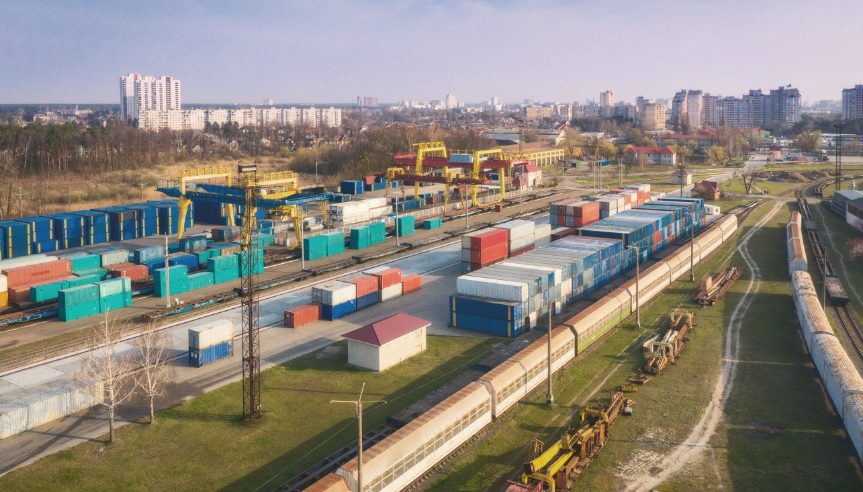
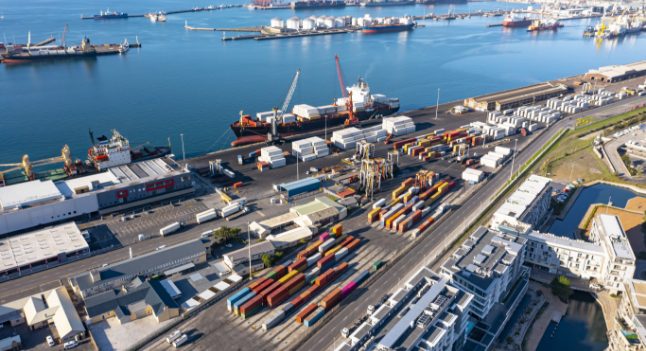
As Central and Eastern Europe (CEE) consolidates its position as Europe’s premier manufacturing and industrial corridor, Hungary has emerged as the definitive land bridge connecting Far East trade lanes, Western European consumer markets, and Balkan trade routes. Terminal Handling Services (THC) form the operational bedrock of this logistics ecosystem. Navigating container transfers between ocean-going vessels at Adriatic ports—such as Koper, Trieste, and Rijeka—or Northern Range gateways (Hamburg, Rotterdam, Antwerp) and inland rail/road terminals in Budapest, Fényeslitke, and Győr requires hyper-specialized terminal expertise.
Terminal Handling encompasses every step of physical movement, regulatory inspection, temporary storage, and transshipment within intermodal container yards (CY) and container freight stations (CFS). As a leading global supplier and exporter operating across North American and European sectors, Universal Cargo Management Inc. integrates physical yard management with sophisticated customs clearance, ISF compliance, and carrier booking. By establishing streamlined Terminal Handling Protocols in Hungary, enterprise shippers effectively eliminate port congestion bottlenecks, suppress demurrage and detention penalties, and maintain precise supply chain clockwork.
Information Gain Insight: Terminal Handling Charges (THC) in landlocked Hungary are strictly tied to intermodal efficiency. Optimizing the transition between ocean containers and rail shuttle systems (e.g., via the East-West Gate at Fényeslitke or BILK terminal in Budapest) saves up to 18% on total landed transportation costs compared to conventional truck drayage.
Managing terminal handling in Hungary requires robust infrastructure ties across rail, road, and river networks. Cargo arriving from international origin points is systematically received at primary intermodal terminals, inspected for structural and seal integrity, and logged into high-level Terminal Management Systems (TMS). Our dedicated operational methodology guarantees seamless alignment between ocean carriers, rail operators, and local drayage fleets.
Whether moving Full Container Loads (FCL), Less than Container Load (LCL) consolidations, or specialized reefer equipment, our team manages the complex balance of terminal lift-on/lift-off (LoLo) fees, gate-in/gate-out documentation, and local port authority surcharges to ensure maximum transparency for procurement officers.
Our terminal handling framework in Hungary addresses the rigorous requirements of modern international trade. By combining four decades of freight forwarding history (founded in 1985) with cutting-edge digital monitoring, we deliver enterprise-grade execution across all terminal service categories.
FCL Yard Operations & LoLo Services
Comprehensive Lift-On/Lift-Off (LoLo) management for 20ft, 40ft, and 40ft High Cube containers. Includes pre-gate inspections, seal validation, and instant EDI updates.
LCL CFS Deconsolidation & Storage
High-efficiency Container Freight Station (CFS) handling for partial shipments. Precise strip-and-sort services, palletization, and short-term commercial warehousing.
Reefer Cold-Chain Terminal Care
Continuous monitoring of active temperature-controlled containers. Shore power plug-in service, genset maintenance, and strict adherence to HACCP guidelines.
Heavy-Lift & Project Machinery Handling
Specialized handling for breakbulk, oversized industrial gear, and out-of-gauge (OOG) machinery utilizing mobile harbor cranes and heavy reach stackers.
Customs Bonded Terminal Holding
Authorized bonded storage allowing tax and duty suspension during transshipment. Fully integrated with NAV (Hungarian Tax and Customs Administration) portals.
C-TPAT Certified Security Protocols
Adherence to global supply chain security standards. Complete physical perimeter defense, tamper-evident bolt sealing, and comprehensive risk mitigation.
Localized Application Scenarios Across Hungarian Industrial Centers
Hungary’s industrial landscape is highly specialized, demanding tailored terminal handling workflows for specific regional manufacturing ecosystems. Our operational teams align terminal handling protocols with the unique requirements of localized supply chains.
Hungary hosts major international automotive production hubs. Just-in-Time (JIT) and Just-in-Sequence (JIS) manufacturing schedules rely on zero-delay terminal handling. Containerized engine components, stamping dies, and raw materials moving through terminals must be stripped, cleared through customs, and dispatched via express drayage within rigid time windows.
Our container terminal services offer prioritized gate-out access and synchronized chassis availability, preventing assembly line downtime for automotive plants across Western Hungary.
With Hungary rapidly becoming one of Europe's largest electric vehicle (EV) battery manufacturing centers, terminal handling demands specialized safety management. Lithium-ion cell precursors, cathode materials, and sensitive electronic assembly units require hazardous materials (ADR) compliant terminal storage and temperature-regulated monitoring.
We provide specialized hazardous cargo terminal documentation, specialized crane rigging, and insulated container handling to ensure total safety compliance.
3. Agricultural Machinery & Heavy Equipment Exports
Hungarian manufacturers exporting industrial machinery, agricultural equipment, and fabricated steel components to international markets require robust export terminal handling. This includes flat-rack container lashing, heavy-lift crane ops, and custom export packing at container freight stations prior to rail dispatch toward Southern and Northern seaports.
Understanding emerging trends is essential for logistics leaders seeking competitive advantage. The terminal handling sector in Hungary is undergoing rapid transformation driven by technological innovation and geopolitical realignments.
1. Digital Twin & Automated Terminal Infrastructure
The operational debut of automated rail terminals, such as the East-West Gate (EWG), utilizes 5G private networks, 3D digital twin tracking, and remote-controlled gantry cranes. Terminal handling suppliers in Hungary must integrate seamlessly with these automated digital gateways to enable instant container release and real-time status reporting.
2. Green Terminal & Decarbonized Intermodal Shifts
Driven by European Union Corporate Sustainability Reporting Directives (CSRD), Hungarian importers and exporters are prioritizing electrified rail-to-road terminal transfers. Modern terminal operators are replacing diesel reach stackers with electric yard cranes and solar-powered cold-chain charging stations.
3. Adriatic Corridor Expansion (Port of Koper & Trieste Expansion)
As shippers move away from congested Northern European ports, the rail corridor connecting Budapest terminals directly to the Port of Koper (Slovenia) and Trieste (Italy) has expanded significantly. Terminal handling providers must maintain multi-port network agreements to reroute shipments dynamically during peak seasons.
4. EU Customs Union Modernization & EORI Harmonization
The enforcement of strict ICS2 (Import Control System 2) pre-arrival safety rules across EU entry terminals necessitates flawless data accuracy at origin terminals. Errors in Bill of Lading transmission lead to immediate container holds at Hungarian inland customs depots.
Why Choose Universal Cargo as Your Terminal Handling & Export Partner?
Since 1985, Universal Cargo Management Inc. has delivered client-focused, end-to-end logistics solutions. Headquartered near LAX and serving major global shipping hubs, our team provides international businesses with accountable, transparent, and high-performance logistics execution.
Dedicated Account Management Model
Every client is assigned a designated Logistics Account Executive who designs your strategic freight strategy, paired with an Operations Account Manager managing live terminal milestones, gate updates, and vessel bookings 24/7.
In-House Customs Brokerage & Regulatory Clearance
Avoid multi-vendor miscommunication. Our in-house customs brokers manage ISF 10+2 transmissions, continuous bonds, FDA/FWS compliance, and NAV customs documentation alongside your physical terminal handling.
Advanced iView Desktop Cargo Tracking
Complete visibility from origin yard to destination door. Our iView Web Desktop platform provides interactive dashboards, customizable metrics, automated arrival alerts, and seamless data exports.
Multimodal Flexibility (FCL, LCL, Air & Express4Air)
We tailor shipping modes to your schedule and budget constraints. From standard sea container handling to time-critical Express4Air 3-5 day door-to-door service for urgent items, we manage your complete supply chain portfolio.
Frequently Asked Questions: Terminal Handling in Hungary
Below are clear, direct answers to common questions asked by supply chain managers and procurement officers shipping into and out of Hungary.
What components are included in Terminal Handling Charges (THC)?
Terminal Handling Charges (THC) cover all physical container handling services at the origin or destination terminal. This includes gantry crane loading/unloading between vessel or rail wagon, container yard stacking, gate-in/gate-out documentation, safety inspections, and terminal equipment maintenance. Terminal storage beyond standard free time and customized services (such as reefer monitoring or hazardous material handling) are billed as supplementary fees.
How do ocean containers reach landlocked Hungarian terminals?
Because Hungary is landlocked, cargo entering via ocean vessels transfers to intermodal feeder trains or dedicated truck drayage at major European gateway ports. The primary southern gateways are the Port of Koper (Slovenia) and Trieste (Italy), offering rapid 24-48 hour block-train shuttles to Budapest intermodal yards. Alternatively, cargo entering via Northern Range ports (Hamburg, Bremerhaven, Rotterdam) reaches Hungary via established rail links along the Rhine-Danube transport corridor.
How can shippers minimize terminal demurrage and detention fees in Hungary?
Demurrage (charged while containers sit in the terminal beyond free days) and detention (charged while holding equipment outside the yard) are minimized through proactive documentation. Universal Cargo pre-clears customs filings (such as T1 transit documents and EU customs entries) prior to container arrival, coordinates pre-booked drayage chassis, and tracks free-time windows via our iView Desktop dashboard to guarantee prompt pick-up and container return.
What mandatory documentation is required for Hungarian export terminal release?
Export terminal clearance requires a validated Commercial Invoice, Packing List, Export Customs Declaration (Single Administrative Document / SAD), Verified Gross Mass (VGM) certificate under SOLAS rules, and Master Bill of Lading (MBL) instructions. For shipments destinated for the United States, an Importer Security Filing (ISF 10+2) must also be transmitted at least 24 hours prior to vessel loading at the port of departure.
Does Universal Cargo handle customs brokerage for specialized regulated cargo?
Yes. In addition to standard customs clearance and continuous bond management, our in-house brokers handle regulatory filings for FDA-regulated products, U.S. Fish and Wildlife Service (FWS) clearances, and EU health certificate documentation for agricultural and food commodities.
When should I choose FCL ocean freight over LCL consolidation?
As a rule of thumb, when cargo volume reaches 13 to 15 cubic meters (CBM), Full Container Load (FCL) becomes more cost-effective than Less than Container Load (LCL). FCL provides a dedicated sealed container, eliminates intermediate CFS sorting, speeds up terminal throughput, and reduces the risk of handling damage.
Optimize Your Terminal Handling & Global Logistics Today
Connect with our senior logistics directors to design a reliable intermodal freight strategy, streamline terminal operations, and accelerate your Hungarian supply chain execution.