
Multi-Layer Food-Grade Flexitank (16K–24K L)
Constructed with 4-ply food-grade virgin LLDPE film and a high-tensile woven outer sleeve. Fully certified for Belgian craft beer worts, liquid sucrose, and refined vegetable oils.
Inquire NowEngineered for high-volume non-hazardous liquid logistics, food-grade ingredients, and industrial chemicals across European sea and intermodal rail routes.
Constructed with 4-ply food-grade virgin LLDPE film and a high-tensile woven outer sleeve. Fully certified for Belgian craft beer worts, liquid sucrose, and refined vegetable oils.
Inquire Now
High-thermal stability flexitanks designed specifically for Antwerp’s petrochemical cluster. Resistant to base oils, plasticizers, synthetic lubricants, and liquid fertilizers.
Inquire Now
Features an advanced EVOH barrier layer preventing oxidation and aroma migration. Essential for premium wines, fruit juice concentrates, and delicate pharmaceutical intermediates.
Inquire Now
Equipped with 3-inch heavy-duty bottom valves and low-pressure steam heating mat compatibility for high-viscosity cargoes like cocoa butter, palm oil, and fatty acids.
Inquire Now
Tailored for short-sea and inland barge transport across Flanders and the Rhine-Meuse corridor. Optimized structural geometry prevents wave sloshing during dynamic braking.
Inquire Now
Turnkey 20ft ocean container conversion service including corrugated paper lining, steel bulkhead bar assembly, dynamic pressure testing, and direct port positioning.
Inquire Now
Complete origin-to-destination freight forwarding, ISF filing, EU customs brokerage, inland trucking to Ghent, Antwerp, or Brussels, and post-discharge flexitank recycling.
Inquire Now
Rigid high-tensile steel retaining bar kits, thermal insulation blankets, and anti-suction valve assemblies certified to COA PAS 1008 dynamic rail impact standards.
Inquire NowBelgium occupies a unique and pivotal node in worldwide liquid logistics. Home to the Port of Antwerp-Bruges—the second largest port in Europe and the single largest integrated chemical cluster on the continent—the region serves as the premier gateway for bulk liquid imports, refining, processing, and outbound distribution across the European Hinterland.
Historically, non-hazardous liquid transportation relied heavily on rigid ISO tank containers, intermediate bulk containers (IBCs), or 208-liter (55-gallon) steel drums. However, structural cost pressures, volatile maritime freight rates, and stringent environmental decarbonization targets under the EU Green Deal have accelerated the adoption of single-use, high-capacity flexitanks in 20ft ocean dry containers.
Information Gain Insight: Shipping bulk liquid via Flexitank transforms a standard 20ft dry cargo container into a 24,000-liter liquid bulk vessel. This eliminates return positioning freight costs, bypasses tank washing fees (€400–€800 per ISO tank clean), and maximizes volume utilization by converting up to 99% of internal container space into usable payload.
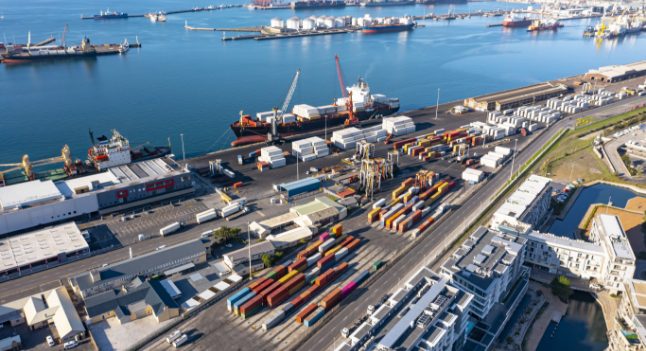
The Flanders logistics ecosystem connects directly to key inland waterways including the Rhine, Meuse, and Scheldt rivers. Flexitanks positioned at Antwerp or North Sea Port (Ghent) seamlessly transition from ocean container ships onto inland barges or rail wagons, providing low-emission transport to chemical and food processing hubs in Germany, France, and the Netherlands.
For Belgian buyers and international suppliers, choosing COA PAS 1008 certified flexitank packaging guarantees structural integrity against longitudinal dynamic forces experienced during rail hump sorting and barge movement.
Modern flexitanks are engineered polymers designed to absorb hydraulic dynamic shocks, resist puncture degradation, and prevent oxidative contamination. Understanding the exact mechanical composition is critical for procurement managers overseeing sensitive chemical or food supply chains.
Utilizes 4 inner plies of 125 to 150-micron virgin Linear Low-Density Polyethylene (LLDPE). Provides high tensile elasticity, flex-crack resistance, and complete inertness to chemical leaching.
Seamless tubular Polypropylene (PP) outer sleeve woven without vertical seams. Eliminates stress concentration points and delivers structural burst resistance exceeding 210 N/mm².
High-flow 2" or 3" bottom discharge ball or butterfly valves equipped with anti-suction devices. Prevents the inner PE layer from blocking the valve during rapid pump-off operations.
For oxygen-sensitive liquids shipped into Benelux—such as premium cider worts, refined edible oils, liquid yeast, or specialized bio-chemicals—standard PE membranes allow minimal oxygen permeability over long ocean transits. Premium suppliers integrate an Ethylene Vinyl Alcohol (EVOH) co-extruded barrier layer. This reduces oxygen transmission rates (OTR) to less than 0.5 cm³/m²·24h·atm, safeguarding product color, flavor profile, and chemical stability.
Flexitank shipping is tailored to specific industrial sectors operating within the Belgian market. Below are the primary application domains and operational guidelines tailored for Benelux supply chains.
Primary Products: Base oils, synthetic lubricants, ethylene glycol, transformer oils, liquid fertilizers, bio-polyols.
Belgium Footprint: Direct import/export via Port of Antwerp chemical terminals. Requires compatibility checks to ensure solvent-free chemical behavior against PE membranes.
Primary Products: Chocolate liquor, cocoa butter, liquid sucrose, malt extracts, craft beer worts, fruit concentrates.
Technical Setup: High-viscosity items like cocoa butter require low-pressure hot water/steam Thermal Heating Pads installed beneath the flexitank for rapid discharge at chocolate plants in Flanders.
Primary Products: Used Cooking Oil (UCO), Fatty Acid Methyl Esters (FAME), Biodiesel, Crude Palm Oil (CPO).
ESG Alignment: Facilitates large-scale recycling movements supporting the EU Renewable Energy Directive (RED II) across Benelux refiners.
When transporting temperature-sensitive or high-pour-point liquids (e.g., tallow, cocoa butter, palm fatty acids) into Belgium during winter months, ambient temperatures drop significantly. Flexitanks equipped with thermal heat mats beneath the bag allow controlled reheating prior to discharge.
By connecting low-pressure steam or hot water circulation systems (up to 120°C / 248°F) at destination facilities in Antwerp or Zeebrugge, cargo viscosity is safely reduced without scorching or altering product quality.
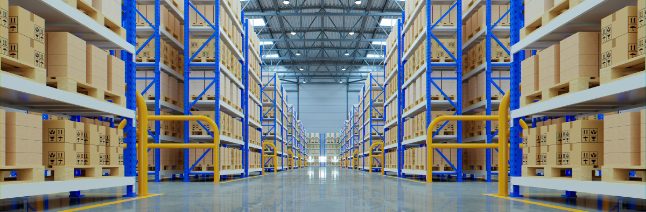
To quantify the financial and environmental advantages of flexitanks, the following data visualization compares standard 20ft Flexitanks against Traditional 55-Gallon Steel Drums, 1000L IBC Totes, and ISO Tank Containers.
| Logistics Metric | 20ft Flexitank System | 55-Gallon Steel Drums | 1000L IBC Containers | ISO Tank Container |
|---|---|---|---|---|
| Maximum Payload Volume | 24,000 Liters | 16,640 Liters (80 Drums) | 18,000 Liters (18 IBCs) | 26,000 Liters |
| Packaging Unit Cost | Low (€350 - €600) | High (€2,400 - €3,200) | Moderate (€1,800 - €2,400) | CapEx / Daily Lease |
| Return Positioning Freight | Zero (Single-Use) | High (Empty drum return) | High (Empty tote return) | Very High (Global repositioning) |
| Cleaning & Decontamination | Zero Risk / No Washing | Re-conditioning fee | Re-conditioning fee | €400 - €800 per wash |
| Container Fitting Time | 20 - 30 Minutes | 1.5 - 2 Hours (Palletizing) | 1 Hour (Forklift loading) | Immediate (Pump connect) |
| Carbon Reduction (per MT Moved) | -38% CO2 Footprint | Baseline Reference | -15% CO2 Footprint | Dependent on return distance |
*Data model based on standard 20ft ocean container import routes from East Asia / North America to Port of Antwerp-Bruges, including inland drayage.
Backed by nearly four decades of global freight forwarding experience, our organization integrates manufacturing precision with comprehensive end-to-end maritime shipping expertise.
Decades of navigating Pacific and Atlantic trade routes, carrier shortages, custom tariffs, and complex international trade regulations.
Every account is managed by a Dedicated Logistics Executive (strategic routing & costing) and an Operations Manager (24/7 execution & tracking).
Seamless execution of Belgian EU import entries, ISF 10+2 filings, continuous bonds, and FDA / FAVV food safety compliance checks.
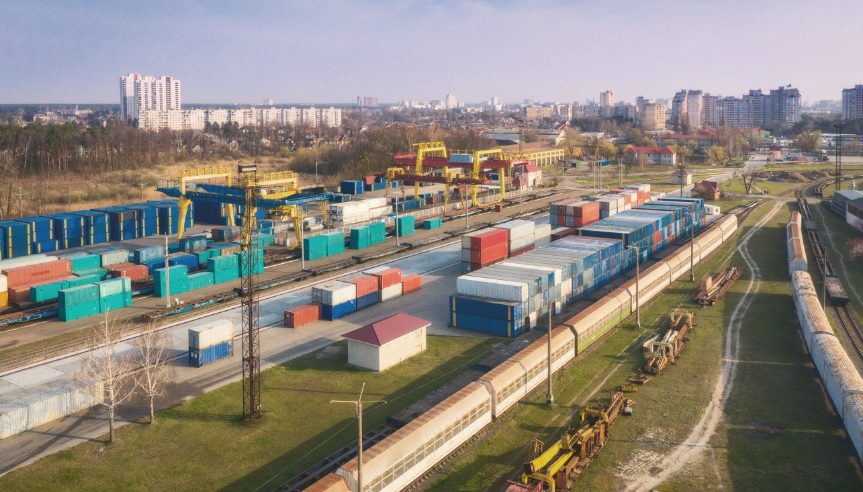
All flexitanks supplied and operated by our network comply fully with COA PAS 1008:2016 (Container Owners Association) guidelines. This includes mandatory 2G dynamic rail impact testing at TTCI testing facilities, certifying that the flexitank bulkhead and liner sustain extreme longitudinal deceleration forces during rail shunt maneuvers.
Furthermore, our food-grade liners satisfy FDA 21 CFR 177.1520 and European Commission Regulation (EU) No 10/2011 on plastic materials intended to come into contact with food.
Direct answers to critical technical and logistical questions regarding flexitank imports and container shipping in the Benelux region.
Only standard 20ft ISO dry containers with a maximum gross vehicle weight rating (GVWR) of 30,480 kg (67,200 lbs) and sturdy corrugated steel walls are suitable. Containers must undergo rigorous inspection prior to fitting: wall panels must be free from sharp dents or weld burrs, floorboards must be clean and splinter-free, and lashing rings on bottom rails must have a minimum rated strength of 1,500 kg each.
For food-grade imports (e.g., vegetable oils, malt, juices), Belgian Customs and the Federal Agency for the Safety of the Food Chain (FAVV) require full documentation prior to vessel arrival at Port of Antwerp-Bruges or Zeebrugge. This includes the Commercial Invoice, Packing List, Bill of Lading, Certificate of Analysis (CoA), and Food Contact Compliance Certificates (EU 10/2011). Our in-house brokers process pre-clearance entries to avoid demurrage at port terminals.
Upon container delivery to your facility or bonded warehouse, the bottom heater pad hoses are connected to a low-pressure hot water or steam heating source (typically 1.0 to 1.5 bar steam pressure, or hot water up to 80°C–90°C). Heating time varies from 4 to 12 hours depending on ambient temperature and pour point. Constant monitoring ensures uniform heat distribution without localized overheating.
Under European Union waste management directives and Belgian regional environmental laws (OVAM in Flanders), raw single-use PE and PP polymers are 100% recyclable. After complete liquid discharge, the flexitank membrane is cut, rolled, and collected by certified plastic waste re-processors. The clean polyethylene layers are recycled into industrial plastic pellets or drainage piping, fulfilling corporate ESG circular economy requirements.
Because ocean carrier liability under COGSA or Hague-Visby Rules is strictly capped (often limited to $500 per package or customary freight unit), comprehensive All-Risk Marine Cargo Insurance is highly recommended. Our policies cover full invoice value plus freight expenses against accidental puncture, marine perils, valve leakage, and container transit incidents from origin factory door to destination Belgian warehouse.
No. Standard flexitanks are strictly engineered for non-hazardous liquids under IMO (International Maritime Organization) and ADR regulations. Hazardous chemicals requiring UN packaging codes must be transported in certified ISO Tank Containers, IBCs, or specialized UN drums. Our technical team conducts precise CAS number checks to verify cargo classification prior to booking.